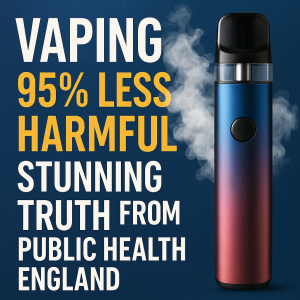

Vaping Safety: Stunning, Best Insights on Risks
This friendly, evidence-based guide on vaping safety walks you through how devices work and the real risks. It also offers practical steps to reduce harm so you can make informed choices.
Vaping Safety
Vaping Safety is a topic that has gained prominence as millions of people consider e-cigarettes as an alternative to traditional tobacco use. While some users view vaping as a harm-reduction strategy, it’s essential to understand the potential risks, how devices work, and practical steps to minimize harm. This article provides clear, evidence-based insights to help readers assess safety concerns and make informed choices.
Understanding what’s inside: how vaping devices work
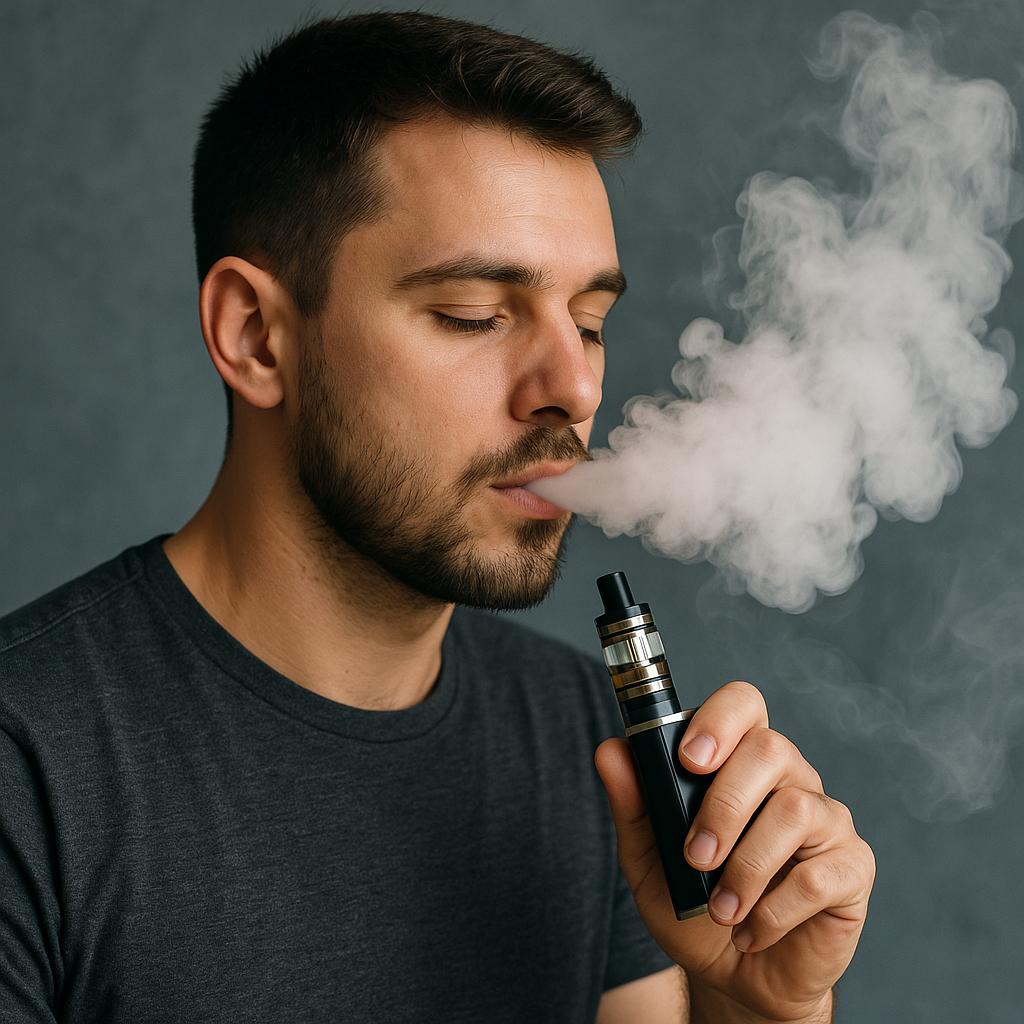
Vaping devices heat a liquid to create an aerosol that users inhale. The liquid, or e-juice, typically contains a nicotine concentration, a flavoring agent, a base solvent (usually propylene glycol and glycerin), and sometimes other additives. The heating element and battery control the temperature, which influences the amount of aerosol produced and the potential for byproducts like formaldehyde or acrolein when overheated. Device design matters: some devices deliver nicotine more efficiently, increasing intake, while others offer lower nicotine options. Knowledge of these mechanics helps users choose products with lower risk profiles and fewer exposure concerns.
Immediate risks to health and well-being
– Nicotine exposure: Many e-liquids contain nicotine, which is highly addictive and can affect developing brains in adolescents and fetuses in pregnant individuals. In adults, nicotine can raise heart rate and blood pressure and may contribute to cardiovascular issues over time.
– Chemical exposure: Inhaling aerosol introduces volatile organic compounds, heavy metals from coils, and flavoring byproducts into the lungs. While levels are often lower than those found in tobacco smoke, any inhalation carries potential respiratory irritation or other health effects.
– Acute lung events: There have been reports of vaping-associated lung injuries, particularly with certain adulterants or contaminated products. While rare, these events emphasize the importance of product sourcing and staying informed about safety recalls.
Long-term risks and uncertainties
The long-term health effects of vaping are still being studied. Because e-cigarettes are relatively new compared to traditional cigarettes, researchers are building a picture of potential chronic impacts on lung function, cardiovascular health, immune response, and oral health. Some studies suggest dual-use (vaping with tobacco) may complicate health outcomes. For non-smokers, starting to vape introduces nicotine exposure and lung irritants without clear evidence of meaningful health benefits. For current smokers, switching to vaping may reduce exposure to certain toxicants when used as a complete substitute, but the degree of risk reduction varies by product and usage pattern.
Device safety and best practices
– Buy from reputable sources: Purchasing devices and liquids from licensed retailers reduces the risk of counterfeit products with unknown ingredients or unsafe manufacturing practices.
– Check for safety features: Look for devices with overheat protection, short-circuit protection, and proper battery management. Use authentic coils and avoid makeshift modifications.
– Battery care: Use the correct charger, avoid overcharging, and inspect batteries for swelling or damage. Do not carry loose batteries in pockets with metal objects, which can cause short circuits.
– Maintenance matters: Regular cleaning of tanks, mouthpieces, and coils helps prevent residue buildup and flavor taint. Replace coils as recommended by the manufacturer to minimize burnt taste and potential irritants.
– Proper storage: Keep liquids away from children and pets. Store e-liquids in child-resistant containers and in a cool, dry place away from heat sources.
Nicotine, youth, and pregnancy considerations
– Youth risk: Adolescents and young adults are particularly vulnerable to nicotine addiction, with potential impacts on brain development and impulse control. This makes preventing youth access a critical safety measure.
– Pregnant individuals: Nicotine exposure during pregnancy can affect fetal development. Expectant mothers should avoid nicotine-containing products unless advised otherwise by a healthcare professional.
– Cessation and reduction: For smokers seeking to quit, discussing a transition plan with a clinician can help determine whether vaping is a suitable tool, considering personal health history and support options.
Secondhand exposure and social considerations
Secondhand aerosol exposure is a concern for bystanders, though levels are typically lower than tobacco smoke. The risk varies with device type, usage patterns, and environmental ventilation. In shared spaces, consider policies or personal practices that minimize exposure to others, especially children, pregnant people, or those with respiratory conditions.
Regulation, labeling, and consumer empowerment
– Label accuracy: Verified labeling of nicotine strength and ingredient lists helps users manage intake and avoid unintended exposure to unwanted additives.
– Product recalls and safety alerts: Staying informed about recalls or health advisories from health authorities or manufacturers can prevent exposure to defective products.
– Age restrictions and access controls: Strong enforcement of age limits and responsible sales practices reduces the likelihood that youth obtain vaping products.
Myths vs. facts: separating truth from hype
– Myth: E-cigarettes are completely safe. Fact: They are likely less harmful than combustible cigarettes for many outcomes, but they are not risk-free and carry nicotine- and chemical-related risks.
– Myth: Vaping helps everyone quit smoking. Fact: Some people use vaping to reduce or quit smoking, but outcomes vary. It’s not a guaranteed cessation method, and professional support enhances success.
– Myth: All flavors are harmful. Fact: Flavorings can contribute to irritation, but the overall risk depends on concentration, device settings, and exposure levels. Some flavors may pose higher risks when overheated.
Practical safety tips for responsible vaping
– Start with the lowest nicotine option available to minimize dependence, especially for new users.
– Use established brands and verify product authenticity; avoid unregulated or homemade liquids.
– Monitor device settings and avoid high-wattage configurations that can overheat coils and generate harmful byproducts.
– Keep products out of reach of children and pets; consider child-resistant packaging for liquids.
– Seek medical advice if you notice persistent cough, shortness of breath, chest tightness, or unusual symptoms after vaping.
Final thoughts on vaping safety
Vaping safety involves understanding what you inhale, how devices operate, who is affected, and how to minimize harm through informed choices and responsible practices. Ongoing research continues to illuminate risk profiles, guiding regulations, product improvements, and public health recommendations. Whether you are a current vaper seeking to reduce risk, a former smoker contemplating a switch, or a concerned observer, staying informed and prioritizing safety is essential in navigating the evolving landscape of vaping.