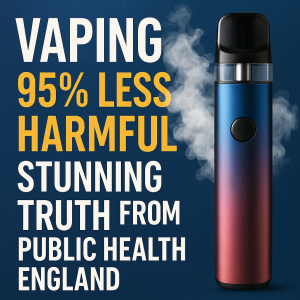

Vaping: Exclusive, Best Safety Verdict vs Smoking
Vaping vs smoking—the latest science helps readers understand why switching from tobacco might lower exposure to harmful byproducts, though its not risk-free. This friendly, clear guide untangles the evidence for health, policy, and personal choices, offering practical guidance for anyone weighing their options.
Vaping: Exclusive, Best Safety Verdict vs Smoking is a timely topic that invites careful examination from health, policy, and personal perspectives. The conversation around vaping often centers on risk reduction, harm comparison, and how best to regulate a product that sits between cigarettes and novel nicotine delivery methods. This article untangles the latest evidence, outlines how vaping compares to smoking, and offers practical guidance for readers considering their options.
What vaping is and how it differs from smoking
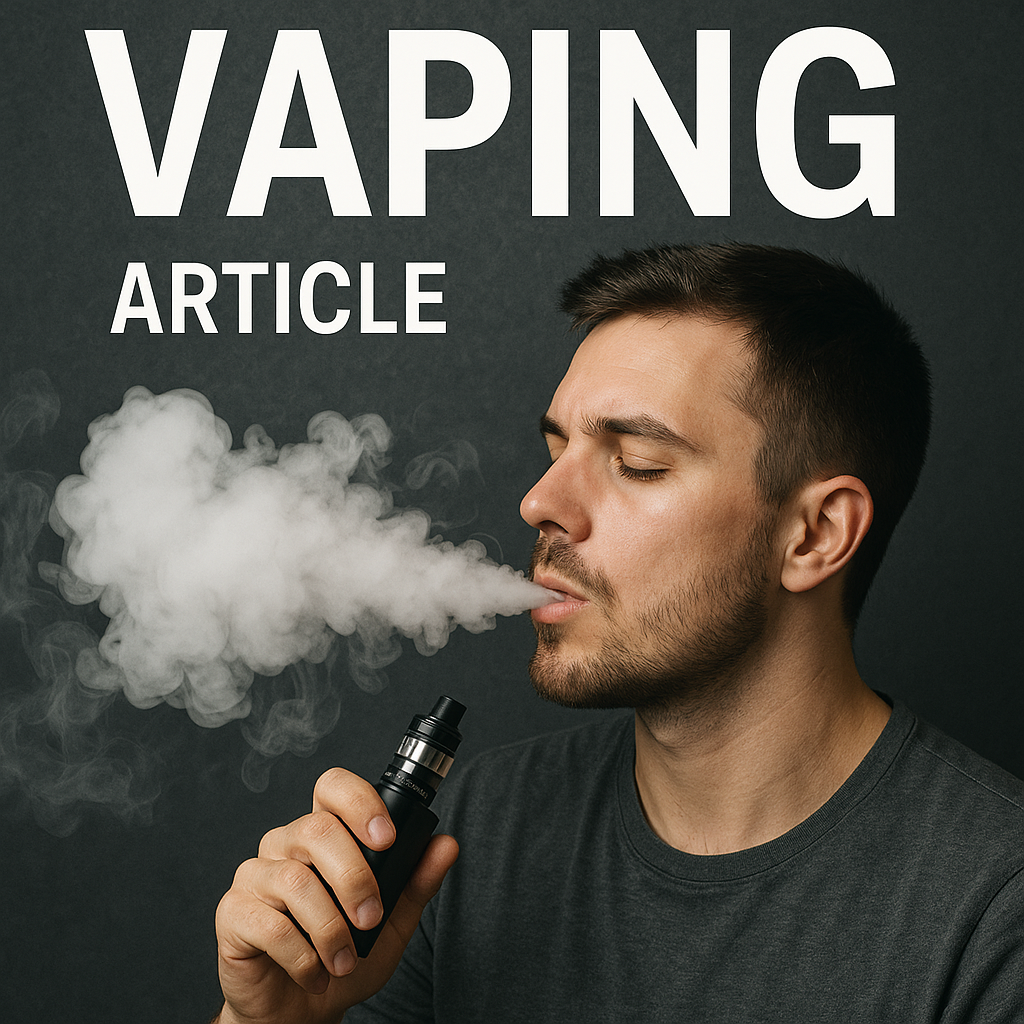
Vaping refers to inhaling aerosol produced by an electronic device that heats a liquid (often called e-liquid or vape juice). This liquid typically contains nicotine (in varying concentrations), flavorings, propylene glycol, and vegetable glycerin. Unlike traditional cigarettes, which burn tobacco to create smoke, vapes heat a solution to create an inhalable mist. The absence of combustion means many of the toxins formed by burning tobacco—tar, certain carcinogens, and related byproducts—are significantly reduced in the aerosol, though not entirely eliminated. This fundamental difference lies at the heart of ongoing safety discussions.
The exclusive safety verdict: what the science says
Assessing the “best safety verdict” requires looking at long-term data, population studies, and controlled experiments. Most public health bodies agree on a few core points:
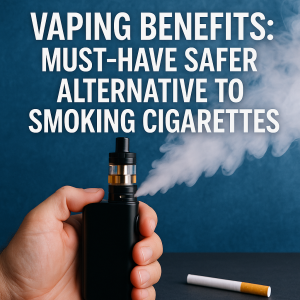
– For current adult smokers who switch completely to vaping, some evidence suggests a substantial reduction in exposure to harmful combustion products. This does not imply vaping is risk-free, but it may represent a lower-risk alternative to smoking.
– For people who do not currently smoke, starting to vape introduces nicotine dependence and other uncertainties. The precautionary stance for non-smokers, especially youth, tends to be more conservative.
– The safety profile of vaping continues to improve as devices and formulations evolve, with advances aimed at reducing contaminants, improving device safety, and ensuring consistent dosing.
Vaping vs smoking: a rigorous risk comparison
To compare risks, researchers look at two axes: immediate harms related to inhalation and long-term health outcomes. Smokers who switch to vaping generally experience a drop in exposure to many toxins linked to lung and cardiovascular disease. However nicotine itself remains addictive and can have cardiovascular effects, especially in high doses or among vulnerable groups. The long-term health effects of inhaling propylene glycol, glycerin, and flavoring chemicals through aerosols are still being studied. Some flavors and additives have raised concerns in laboratory tests, prompting ongoing regulatory reviews.
It’s important to frame vaping as a risk continuum rather than an absolute safety guarantee. For current smokers, the potential health gains from cessation or transition to vaping can be meaningful. For non-smokers, experimenting with vaping introduces a new health risk without any clear benefit. Public health discussions often emphasize prevention, regulation, and harm reduction as a balanced approach.
Youth, policy, and access: safeguarding public health
One of the most contentious aspects of vaping revolves around youth access and initiation. Policy measures increasingly focus on:
– Age verification and restricted sales channels to reduce underage use.
– Flavorings that appeal to younger audiences, prompting debates about accountability and reformulation.
– Packaging, marketing transparency, and safety warnings that help consumers understand what they are buying.
– Product quality standards, including limits on nicotine concentrations and device reliability.
The evolving regulatory landscape aims to preserve harm reduction potential for adult smokers while minimizing uptake among youth. In regions where smoking rates have fallen, it’s difficult to ascribe all changes to vaping alone, but the interplay between policy, industry practices, and individual choices is clear and ongoing.
How to minimize risk if you choose to vape
If someone decides to vape as a step toward reducing harm, practical strategies can help minimize risk:
– Choose products from reputable manufacturers with third-party testing and clear ingredient disclosures.
– Start with lower nicotine concentrations if you’re not a heavy smoker to avoid adding nicotine dependence.
– Avoid devices and liquids with dubious contaminants or unverified aromas that may introduce unknown chemicals.
– Don’t modify devices in unsafe ways; use proper charging practices and replacement parts from trusted sources.
– Keep vaping away from children and pets, and store products securely to prevent accidental ingestion.
Common myths and factual clarifications
– Myth: Vaping is as dangerous as smoking. Fact: While not risk-free, vaping generally delivers fewer toxicants than combusted tobacco, particularly for those who switch from smoking entirely.
– Myth: Nicotine is the main hazard in vaping. Fact: Nicotine is addictive and can have cardiovascular effects; the broader safety question involves the entire aerosol and its constituents, not just nicotine.
– Myth: All vaping products are equally safe. Fact: Device quality, liquid ingredients, and nicotine strength all influence risk, so product choice matters.
Making informed choices: practical guidance for readers
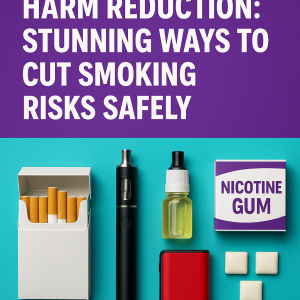
When weighing whether to vape or smoke, consider your current health, smoking history, and goals. If you are a smoker seeking to reduce harm, a transition to regulated vaping products—used correctly and in combination with quit-support resources—might be an option to discuss with a healthcare professional. If you do not currently smoke, the safest course is to avoid starting and to focus on proven cessation methods if nicotine use becomes a concern.
Conclusion: navigating safety verdicts with clarity
Vaping: Exclusive, Best Safety Verdict vs Smoking captures a nuanced landscape where harm reduction, individual choice, and public policy intersect. The best available evidence points to a potential risk reduction for those who switch from smoking to vaping, while simultaneously highlighting the need for strong protections against youth uptake and continued research on long-term health effects. By staying informed, choosing high-quality products, and prioritizing cessation goals, readers can make responsible decisions in a landscape that continues to evolve.