
Tobacco Harm Reduction: Must-Have Strategies for Safer Smoking
Tobacco harm reduction offers practical strategies for smokers looking to cut down on risks without quitting cold turkey, from switching to safer products to smartly reducing cigarette consumption. Discover how these must-have approaches can help you smoke safer and improve your well-being.
Tobacco harm reduction is an essential approach for individuals seeking safer alternatives to traditional smoking. While quitting tobacco use entirely remains the best option for health, many smokers find it challenging to stop abruptly. Harm reduction strategies aim to minimize the negative health impacts associated with smoking by promoting safer practices and alternatives. This article explores must-have strategies for tobacco harm reduction that can help smokers reduce risks and improve their overall well-being.
Understanding Tobacco Harm Reduction
Tobacco harm reduction involves a range of methods designed to lower the health dangers linked to smoking without necessarily requiring complete cessation. This approach acknowledges that while quitting is ideal, some smokers may continue to use tobacco or nicotine products. By adopting safer alternatives or reducing harmful behaviors, users can significantly decrease their exposure to toxic chemicals and reduce the likelihood of smoking-related diseases.
Must-Have Strategies for Safer Smoking
1. Switching to Less Harmful Products
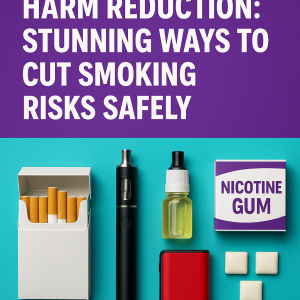
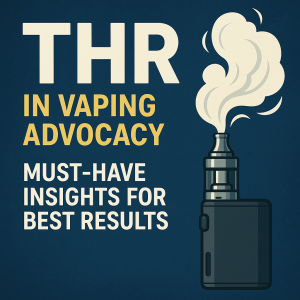
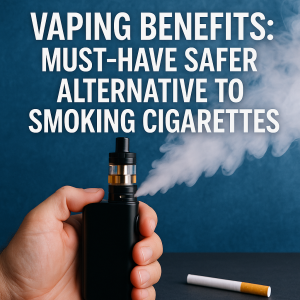
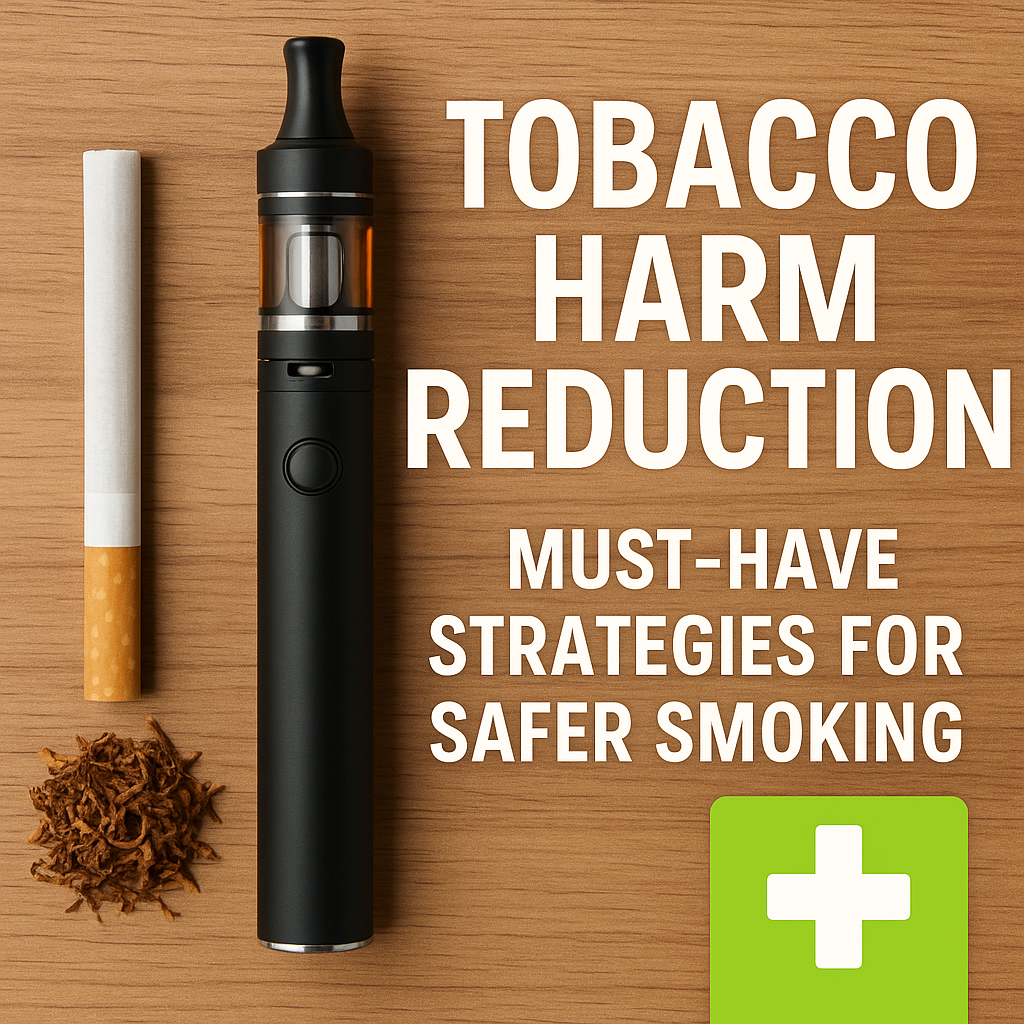
One of the most effective tobacco harm reduction methods is switching from combustible cigarettes to less harmful nicotine delivery systems. Products like electronic cigarettes (e-cigarettes), heated tobacco products, and nicotine replacement therapies (NRTs) provide nicotine without the harmful tar and many carcinogens found in traditional smoke. Research indicates that these alternatives can reduce exposure to toxic substances by a substantial margin, making them safer options for smokers who are unable or unwilling to quit immediately.
2. Reducing Cigarette Consumption
Cutting down the number of cigarettes smoked daily can also reduce harm. Although not as effective as complete cessation, smoking fewer cigarettes lowers the intake of harmful chemicals and reduces the risk of developing smoking-related illnesses. Smokers can gradually decrease their consumption over time, making quitting more manageable in the long run.
3. Avoiding Deep Inhalation and Holding Smoke
The way a person smokes impacts how much harmful material enters the lungs. Deep inhalation and holding smoke in the lungs for extended periods increase exposure to toxic substances. Smokers practicing harm reduction should try to avoid these behaviors, taking shallower puffs and exhaling more quickly to reduce the absorption of harmful chemicals.
4. Using Nicotine Replacement Therapy (NRT)
Nicotine replacement products such as patches, gum, lozenges, and inhalers provide controlled doses of nicotine without the harmful byproducts of combustion. NRT is widely recommended for smokers looking to quit or reduce harm, as it satisfies nicotine cravings while minimizing health risks. Combining NRT with behavioral support increases the chances of success.
5. Seeking Professional Support and Counseling
Behavioral counseling and support groups play a crucial role in tobacco harm reduction. Professional guidance can help smokers develop personalized strategies, cope with cravings, and stay motivated to reduce or quit smoking. Accessing resources such as quitlines, online programs, and healthcare providers enhances the effectiveness of harm reduction efforts.
The Importance of Informed Choices
For tobacco harm reduction to be successful, smokers must have access to accurate information about the risks and benefits of various products and strategies. Misinformation can lead to poor decisions that undermine harm reduction goals. Healthcare professionals and public health campaigns should prioritize educating smokers on safer alternatives and effective reduction techniques.
Conclusion
Tobacco harm reduction offers practical, evidence-based strategies for smokers who want to minimize the health risks associated with smoking. By switching to less harmful products, reducing cigarette consumption, avoiding harmful smoking behaviors, utilizing nicotine replacement therapy, and seeking professional support, smokers can take meaningful steps toward safer smoking practices. While quitting remains the ultimate goal, harm reduction empowers individuals to improve their health and quality of life in the meantime.