
Vaping Bans Exposed: Shocking Truth Behind Government Restrictions
Vaping bans have sparked heated debates worldwide, but the truth behind these government restrictions is far more complex than just public health concerns—uncover the surprising political and economic forces at play.
Vaping bans have become a hot topic worldwide, sparking intense debates about public health, personal freedom, and government intervention. While many view these restrictions as necessary measures to protect citizens, especially young people, the reality behind these bans is far more complex and, in some cases, surprisingly controversial. This article dives into the shocking truth behind government restrictions on vaping and explores the motivations, implications, and consequences of these policies.
The Real Reasons Behind Vaping Bans
At first glance, vaping bans appear to be straightforward public health initiatives aimed at reducing smoking-related illnesses. Governments often cite concerns about the unknown long-term effects of e-cigarettes, the rise in youth vaping, and the potential gateway effect leading to traditional tobacco use. However, beneath these surface-level explanations lies a mixture of political, economic, and social factors that have shaped these restrictions.
One significant but less discussed reason is the influence of the tobacco industry and its complex relationship with vaping products. Traditional cigarette companies have both invested in and opposed vaping in different markets, depending on how it affects their profits. In some cases, governments may be pressured by powerful lobbying groups to enforce bans that protect established tobacco interests rather than public health.
Health Concerns and Scientific Uncertainty
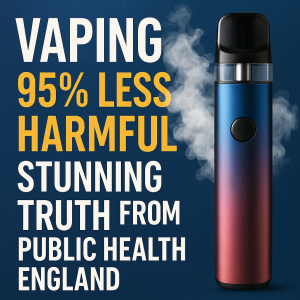
While vaping is generally considered less harmful than smoking combustible cigarettes, the science around its safety is still evolving. This uncertainty has given governments a pretext to impose sweeping bans or strict regulations. Many policymakers argue that until conclusive evidence proves vaping is safe, it’s better to err on the side of caution.
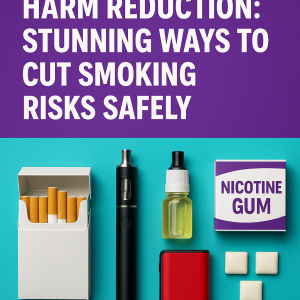
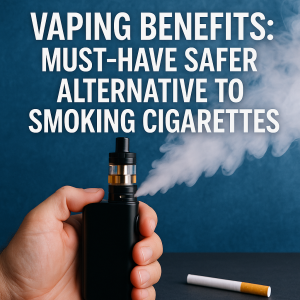
However, critics point out that these bans often ignore the potential benefits of vaping as a smoking cessation tool. Studies have shown that many smokers successfully quit by switching to e-cigarettes, which deliver nicotine without the harmful tar and many carcinogens found in tobacco smoke. By restricting access to vaping products, some governments may inadvertently push former smokers back to more dangerous habits.
Youth Vaping and Government Responses
One of the most common justifications for vaping bans is the alarming increase in youth vaping rates. The appealing flavors, sleek device designs, and aggressive marketing tactics have made vaping popular among teenagers. Governments argue that bans are necessary to protect young people from nicotine addiction and its long-term consequences.
While well-intentioned, these bans sometimes fail to address the root causes of youth vaping, such as peer pressure, social media influence, and lack of education. Moreover, blanket bans can drive the market underground, making it harder to regulate and potentially exposing users to unsafe black-market products.
Economic and Social Impacts of Vaping Restrictions
The economic fallout from vaping bans is another layer of the story often overlooked. Small businesses, vape shops, and manufacturers face significant losses when governments impose sudden restrictions. This can lead to job losses and reduced innovation in harm reduction technologies.
Socially, vaping bans can deepen distrust between citizens and governments, especially when policies are implemented without clear communication or public consultation. Many vapers feel unfairly targeted and stigmatized, which can hinder public health efforts by alienating a segment of the population that might otherwise engage in healthier behaviors.
Looking Forward: Balancing Regulation and Freedom
The shocking truth behind vaping bans is that they are not simply about health but are intertwined with economic interests, political pressures, and social dynamics. Moving forward, a balanced approach that prioritizes transparent research, targeted youth prevention, and support for smokers seeking alternatives may prove more effective than outright bans.
Governments must engage with scientists, public health experts, and the vaping community to craft policies that protect public health without unnecessarily restricting adult choices. Only through nuanced and evidence-based regulation can the true potential of vaping as a harm reduction tool be realized, while minimizing risks to vulnerable populations.
In conclusion, the story behind vaping bans is complex and multifaceted. Understanding these layers is crucial for anyone interested in public health policy, personal freedom, and the future of smoking cessation.