
Tobacco Harm Reduction: Must-Have Strategies for Safer Smoking
Tobacco harm reduction offers smart, practical strategies for those looking to enjoy nicotine with fewer health risks. From vaping to nicotine replacement therapies, these safer smoking alternatives can help reduce exposure to harmful chemicals while supporting your journey toward better health.
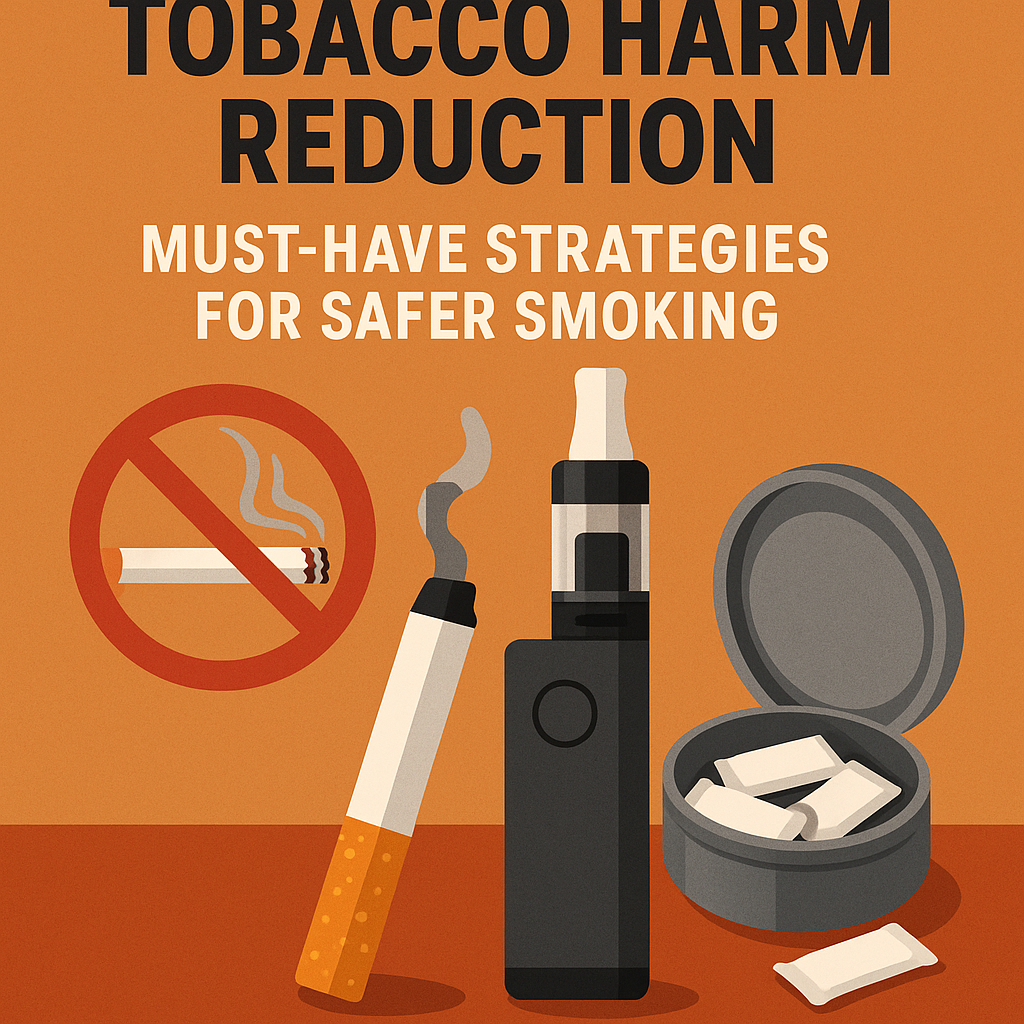
Tobacco harm reduction is an essential approach for individuals seeking safer alternatives to traditional smoking. While quitting all tobacco products remains the best option for health, harm reduction strategies offer practical solutions for those who find cessation challenging. These methods aim to minimize the health risks associated with smoking by reducing exposure to harmful chemicals and encouraging safer consumption habits.
Understanding Tobacco Harm Reduction
Tobacco harm reduction focuses on decreasing the negative health impacts of tobacco use without necessarily eliminating nicotine consumption. Nicotine itself, while addictive, is not the primary cause of smoking-related diseases. Instead, the combustion of tobacco releases toxic substances that lead to cancer, heart disease, and respiratory problems. Harm reduction strategies target these harmful byproducts by promoting alternatives that deliver nicotine with fewer toxins.
Must-Have Strategies for Safer Smoking
1. Switching to Electronic Nicotine Delivery Systems (ENDS)
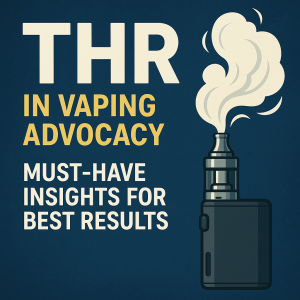
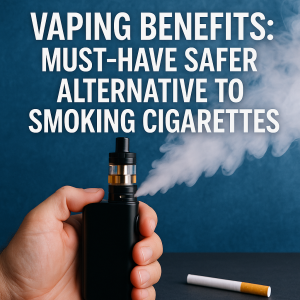
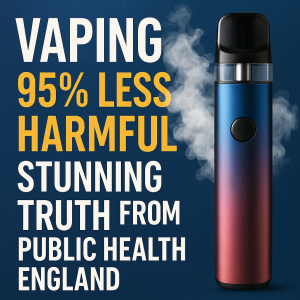
One of the most popular harm reduction tools is the use of electronic cigarettes or vapes. These devices heat a liquid containing nicotine without burning tobacco, significantly reducing the inhalation of harmful tar and carcinogens. Research suggests that vaping is substantially less harmful than smoking combustible cigarettes, making it a viable option for smokers who cannot quit nicotine altogether.
2. Using Nicotine Replacement Therapy (NRT)
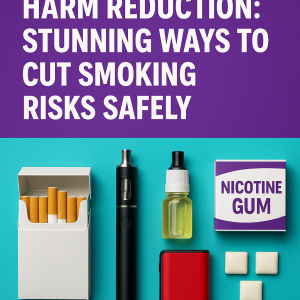
Nicotine replacement products such as patches, gums, lozenges, and inhalers help smokers manage cravings while avoiding the dangers of tobacco smoke. These FDA-approved therapies provide controlled nicotine doses, allowing users to gradually reduce dependence. NRT is particularly effective when combined with behavioral support and counseling.
3. Opting for Smokeless Tobacco Alternatives
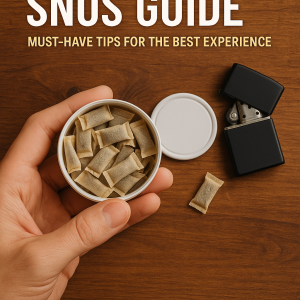
Products like snus and nicotine pouches offer nicotine without combustion. These smokeless options carry fewer health risks compared to smoking, although they are not completely risk-free. Users should be aware of potential oral health concerns and use these products as transitional tools toward quitting.
4. Reducing the Number of Cigarettes Smoked
Cutting down on daily cigarette consumption is a straightforward harm reduction tactic. Even partial reduction can lower exposure to harmful chemicals and improve health outcomes. Smokers can track their usage and set gradual reduction goals to make the process manageable.
5. Avoiding High-Risk Smoking Behaviors
Certain smoking habits increase harm, such as deep inhalation, holding smoke in the lungs, or smoking unfiltered cigarettes. Modifying these behaviors can reduce toxin absorption. For example, smoking fewer cigarettes per day and avoiding inhaling deeply can lessen lung damage.
The Role of Education and Support
Effective tobacco harm reduction relies on accurate information and accessible resources. Healthcare providers play a crucial role in educating smokers about safer alternatives and helping them develop personalized reduction plans. Support groups and counseling services enhance motivation and provide guidance through the transition.
Conclusion
Implementing tobacco harm reduction strategies offers a practical path for smokers who struggle to quit completely. By embracing safer nicotine delivery methods, reducing cigarette consumption, and avoiding harmful smoking behaviors, individuals can significantly lower their health risks. While cessation remains the ultimate goal, harm reduction empowers smokers to make informed choices that protect their well-being along the way.