
THR in Vaping Advocacy: Exclusive Guide to Best Practices
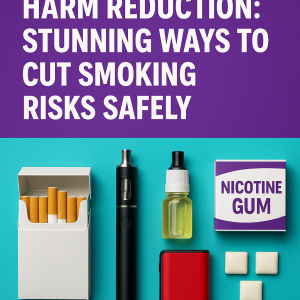
THR vaping advocacy is key to reshaping how we view tobacco harm reduction by promoting vaping as a safer alternative to smoking. By embracing science-based communication and engaging with policymakers, advocates can help smokers make informed choices and support healthier public policies.
THR in vaping advocacy plays a pivotal role in shaping public perception and policy around harm reduction strategies. Tobacco Harm Reduction (THR) focuses on minimizing the health risks associated with tobacco use by promoting safer alternatives, such as vaping, over traditional combustible cigarettes. As vaping continues to gain traction as a less harmful option, advocates must navigate complex regulatory landscapes, misinformation, and public concerns to effectively promote THR principles.
Understanding THR in Vaping Advocacy
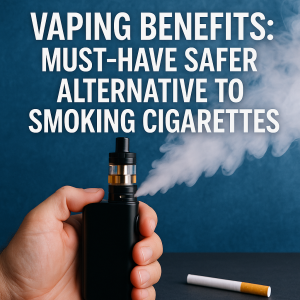
Tobacco Harm Reduction is grounded in the idea that while quitting nicotine entirely is ideal, switching to less harmful products like e-cigarettes can significantly reduce health risks. Vaping, which delivers nicotine without burning tobacco, eliminates many of the toxic chemicals found in cigarette smoke. Advocacy efforts emphasize this distinction, aiming to educate smokers, policymakers, and the public about the relative safety of vaping compared to smoking.
Incorporating THR into vaping advocacy means promoting evidence-based information and dispelling myths that can hinder smokers from making informed decisions. It also involves supporting regulatory frameworks that balance product safety with accessibility, ensuring that adult smokers can access vaping products while preventing youth uptake.
Best Practices for Effective THR Advocacy in Vaping
1. Prioritize Accurate, Science-Based Communication
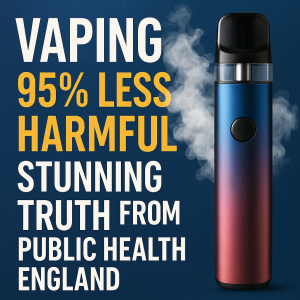
One of the cornerstones of successful THR advocacy is clear, transparent communication rooted in scientific evidence. Advocates should reference reputable studies and data from health organizations that highlight the reduced harm of vaping compared to smoking. Avoiding sensationalism and acknowledging the limitations of current research helps build trust and credibility.
2. Engage with Policymakers and Stakeholders
Advocacy is most effective when it includes dialogue with lawmakers, health officials, and community leaders. Presenting balanced information about vaping’s role in harm reduction can influence policy decisions that support regulated access to vaping products. Advocates should aim to participate in public consultations, provide expert testimony, and collaborate with health organizations to promote sensible regulations.
3. Address Misconceptions and Misinformation
The vaping landscape is often clouded by misinformation, which can deter smokers from switching or lead to unnecessarily harsh regulations. THR advocates need to actively counter false claims—such as vaping being as harmful as smoking or a gateway to youth smoking—by sharing factual, nuanced perspectives. This can be done through social media campaigns, public forums, and educational materials.
4. Support Consumer Empowerment and Harm Reduction Choices
Empowering smokers with knowledge and options is essential. Advocacy efforts should focus on helping individuals understand the benefits and risks of different nicotine products, encouraging smokers to consider vaping as a viable alternative. Providing resources, such as guides on choosing vaping products and tips for quitting smoking, reinforces this empowerment.
5. Promote Responsible Marketing and Youth Protection
While advocating for vaping as a harm reduction tool, it is crucial to support measures that prevent youth access and use. Responsible marketing practices and age verification systems help maintain the integrity of THR efforts and address public health concerns. Advocates should encourage industry compliance with regulations designed to protect minors.
Conclusion
Integrating THR principles into vaping advocacy is essential for advancing public health goals by reducing smoking-related harm. By focusing on science-based communication, engaging stakeholders, combating misinformation, empowering consumers, and promoting responsible practices, advocates can create a balanced and effective approach. This not only supports smokers in making healthier choices but also contributes to a more informed and rational public discourse on vaping and tobacco harm reduction.