
Harm Reduction: The Must-Have Guide to Safer Nicotine Use
Discover how harm reduction nicotine strategies can help you enjoy safer nicotine use by minimizing health risks without the pressure to quit immediately. This must-have guide offers practical tips and alternatives to traditional smoking for a healthier approach to nicotine.
Harm reduction is an essential approach for individuals seeking safer nicotine use, especially in a world where tobacco-related health risks remain a major concern. Unlike traditional cessation methods that focus solely on quitting, harm reduction emphasizes minimizing the negative health impacts associated with nicotine consumption. This guide explores practical strategies and tools that can help users reduce harm while still managing their nicotine intake.
Understanding Harm Reduction in Nicotine Use
Harm reduction refers to a set of practical strategies aimed at decreasing the adverse effects of drug use without necessarily eliminating the drug entirely. When applied to nicotine, this approach acknowledges that while quitting smoking is ideal, some users may not be ready or able to quit immediately. Therefore, the goal is to reduce exposure to harmful substances found in tobacco smoke, such as tar and carbon monoxide, which are responsible for many smoking-related diseases.
Safer Alternatives to Traditional Smoking
One of the most effective harm reduction strategies involves switching from combustible cigarettes to less harmful nicotine delivery systems. These alternatives include:
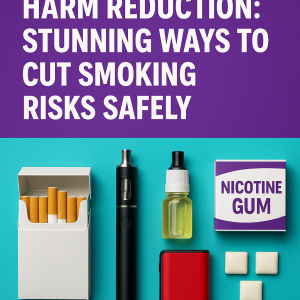
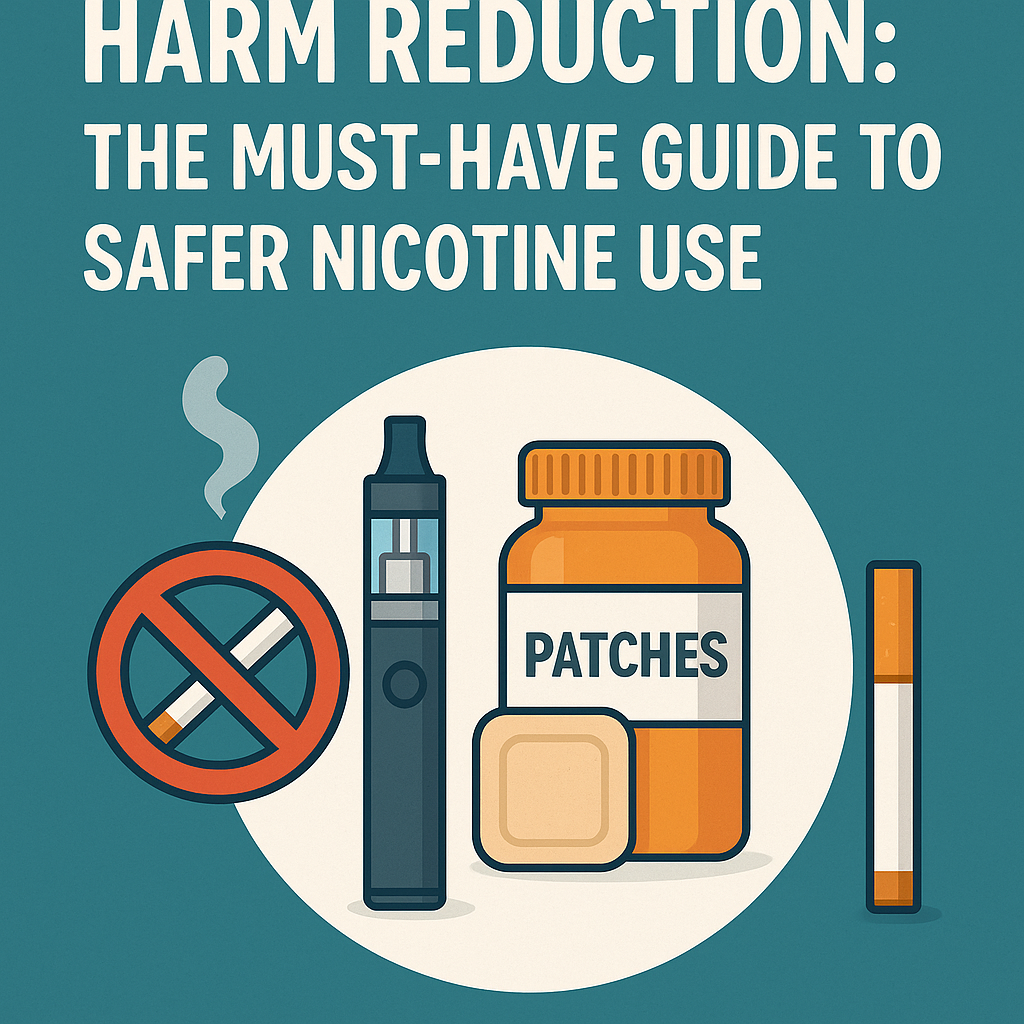
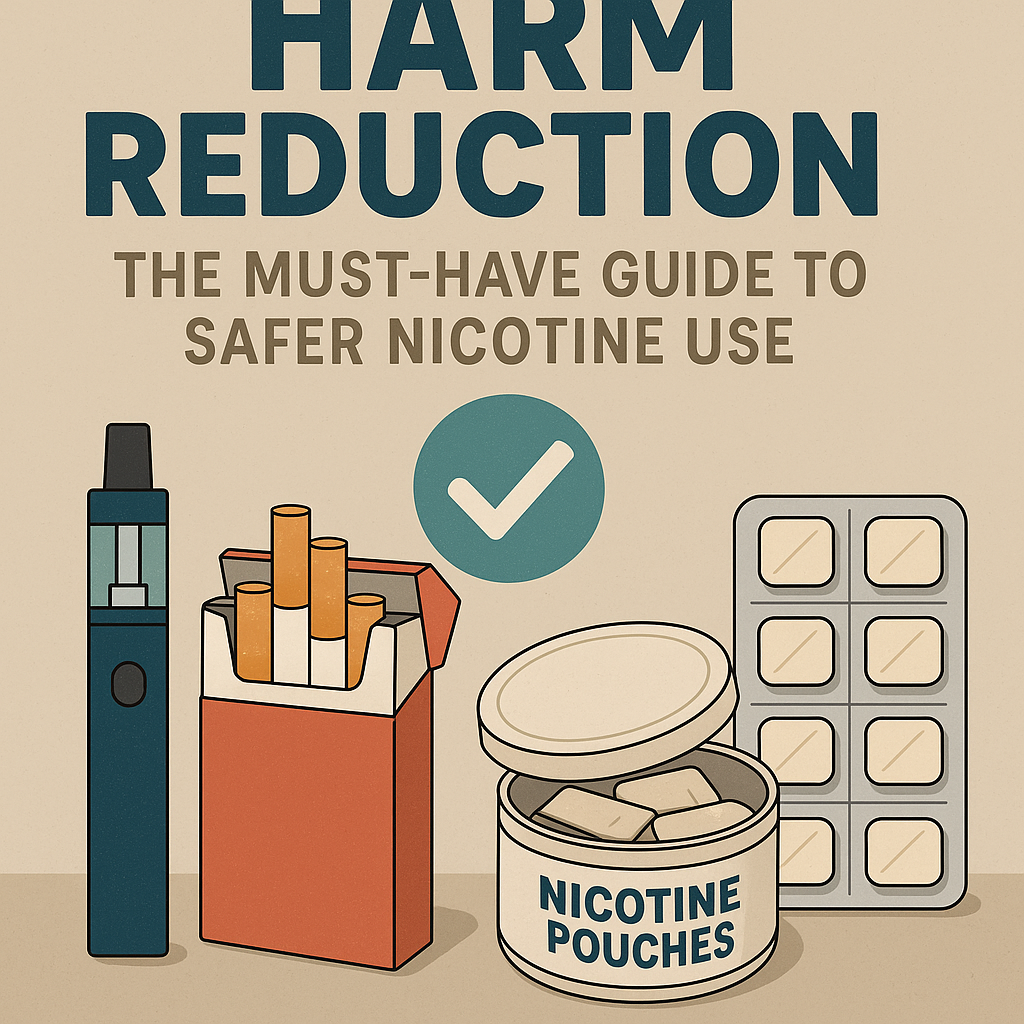
– Nicotine Replacement Therapy (NRT): Products like patches, gum, lozenges, and inhalers provide controlled doses of nicotine without the harmful chemicals found in tobacco smoke.
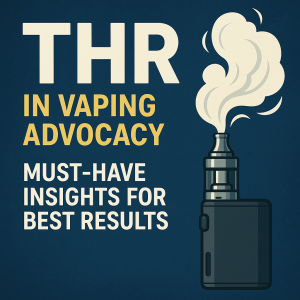
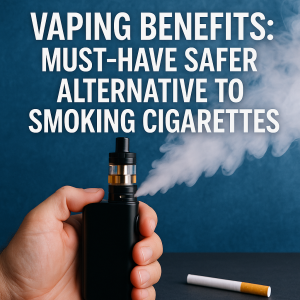
– Vaping: Electronic cigarettes heat a nicotine-containing liquid to produce vapor instead of smoke, significantly reducing exposure to toxic substances.
– Heated Tobacco Products: These devices heat tobacco to lower temperatures than traditional cigarettes, releasing nicotine with fewer harmful chemicals.
While no nicotine product is entirely risk-free, these alternatives have been shown to reduce health risks compared to smoking combustible cigarettes.
Practical Tips for Safer Nicotine Use
To maximize harm reduction benefits, consider the following guidelines:
1. Choose the Right Product: Select nicotine products that suit your preferences and lifestyle while minimizing harm. For example, if you prefer oral consumption, nicotine gum or lozenges might be preferable to vaping.
2. Avoid Dual Use: Using both cigarettes and alternative nicotine products simultaneously can negate harm reduction benefits. Aim to switch completely or reduce cigarette consumption as much as possible.
3. Monitor Nicotine Intake: Be mindful of the amount of nicotine consumed to avoid dependence or overdose. Follow product instructions and consult healthcare providers if unsure.
4. Stay Informed: Keep up with the latest research and regulatory updates on nicotine products to make informed decisions about your health.
The Role of Support and Education
Harm reduction is most effective when combined with education and support. Many organizations offer resources, counseling, and community support to help individuals transition to safer nicotine use. Engaging with healthcare professionals can also provide personalized advice and assistance tailored to your needs.
Conclusion
Adopting harm reduction strategies for nicotine use is a pragmatic and compassionate approach to improving health outcomes for smokers and nicotine users. By understanding safer alternatives, making informed choices, and seeking support, individuals can significantly reduce the risks associated with nicotine consumption. This guide serves as a starting point for anyone looking to navigate the path toward safer nicotine use with confidence and care.