
THR Advocates’ Exclusive Guide to Safer, Affordable Alternatives
Discover how THR Advocates exclusive guide helps you find safer affordable alternatives that protect your health without breaking the bank—because smart choices can be both budget-friendly and reliable.
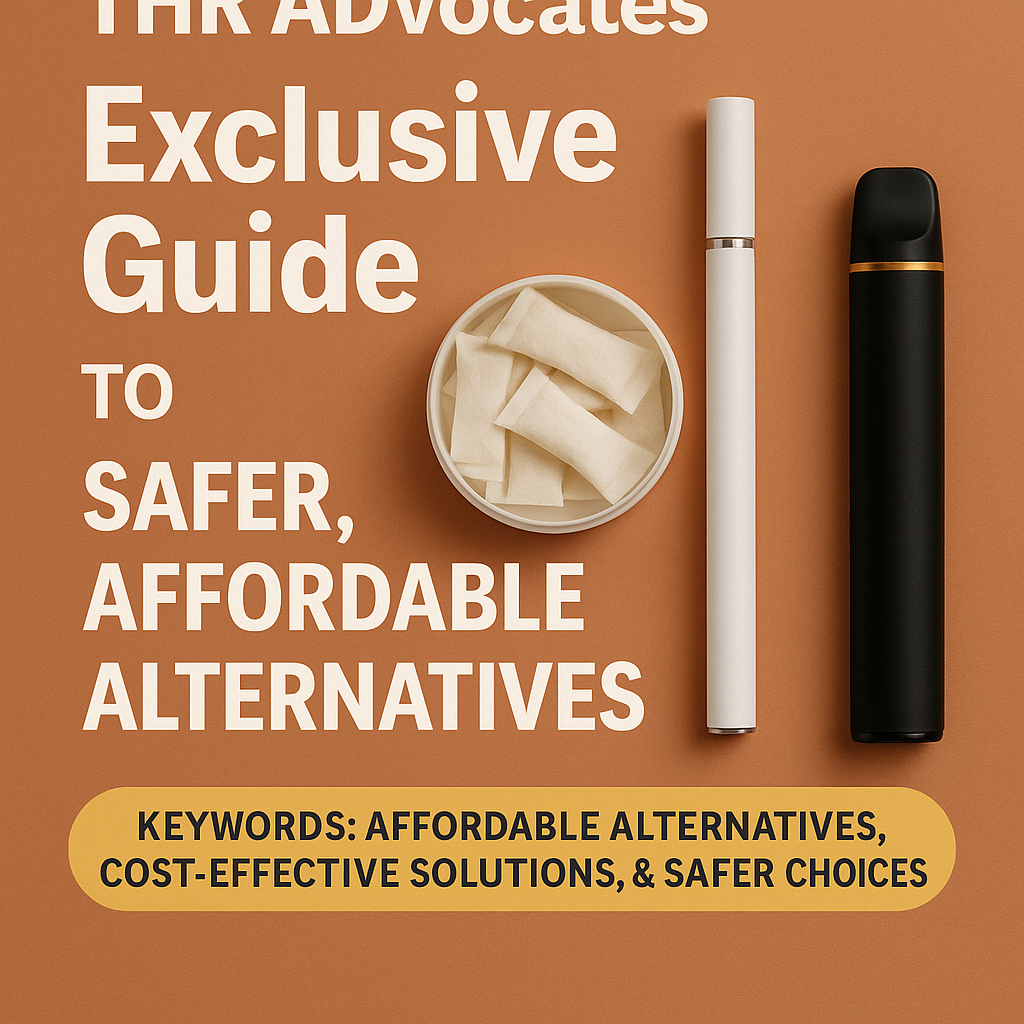
THR Advocates’ Exclusive Guide to Safer, Affordable Alternatives offers invaluable insights for consumers seeking practical and cost-effective options without compromising safety. In today’s market, where product choices are overwhelming and prices often soar, finding alternatives that balance affordability and reliability can be challenging. This guide aims to empower readers with knowledge and strategies to make informed decisions that protect both their wallets and well-being.
Understanding the Importance of Safer, Affordable Alternatives
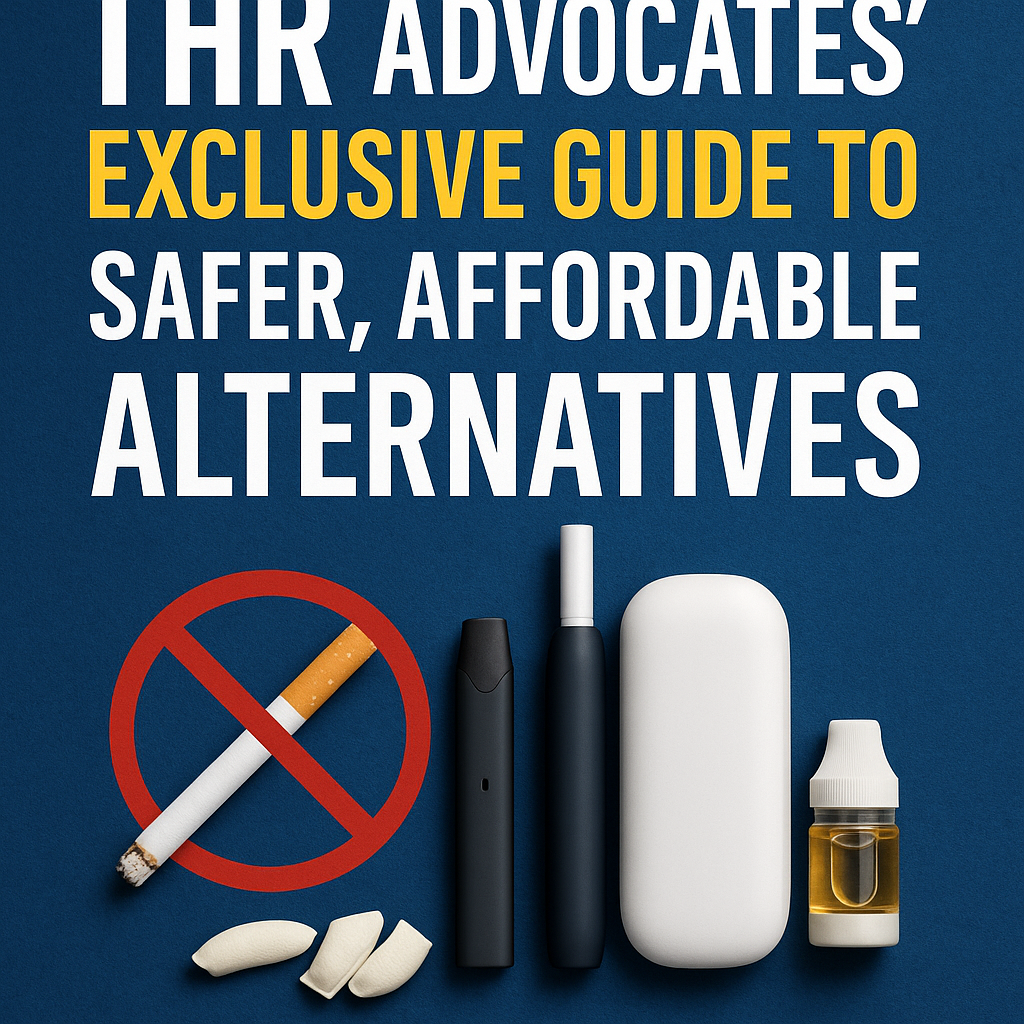
When it comes to everyday products—whether household items, personal care, or even technology—many consumers face a dilemma: should they opt for high-priced brands known for safety or risk cheaper, potentially unsafe options? THR Advocates emphasize that affordability does not have to come at the expense of safety. By carefully evaluating alternatives and understanding what to look for, consumers can avoid unnecessary expenses while still safeguarding their health and environment.
Key Criteria for Evaluating Safer Alternatives
Before choosing an alternative, it’s essential to consider several factors:
– Certification and Standards: Look for products that meet recognized safety certifications such as FDA approval, UL listing, or eco-labels. These marks indicate that the product has undergone rigorous testing.
– Ingredient Transparency: For consumables and personal care items, clear labeling of ingredients helps avoid harmful chemicals and allergens.
– Consumer Reviews and Expert Opinions: Reading user feedback and expert analyses can reveal real-world performance and potential risks.
– Longevity and Durability: Sometimes paying slightly more upfront for a durable product reduces long-term expenses and waste.
THR Advocates’ Top Affordable Alternatives in Key Categories
Household Cleaning Products
Many conventional cleaning agents contain harsh chemicals that pose health and environmental risks. THR Advocates recommend switching to plant-based or DIY cleaners made from ingredients like vinegar, baking soda, and lemon juice. These options are not only safe but also budget-friendly and effective for most cleaning tasks.
Personal Care and Beauty Products
Affordable personal care alternatives include brands that prioritize natural ingredients and avoid parabens, sulfates, and synthetic fragrances. THR Advocates suggest checking out local or indie brands that focus on transparency and sustainability. Additionally, simple homemade remedies, such as coconut oil for moisturizing or oatmeal masks for soothing skin, offer safe and inexpensive solutions.
Food and Nutrition
Choosing organic or non-GMO products often comes at a premium, but THR Advocates highlight seasonal, locally sourced produce as a cost-effective and healthier alternative. Buying in bulk and planning meals around sales can further reduce grocery bills without sacrificing nutritional value.
Technology and Electronics
For gadgets and appliances, refurbished or certified pre-owned items provide a safer alternative to buying new expensive models. These products undergo thorough inspections and come with warranties, ensuring reliability at a fraction of the cost.
Tips for Making Smarter Purchases
– Research Before You Buy: Use trusted online resources and consumer advocacy websites to compare products.
– Prioritize Needs Over Wants: Focus on essential features and avoid paying for unnecessary extras.
– Test Samples When Possible: Many stores offer trial sizes or demos to help you assess product suitability.
– Stay Updated: Regulations and product formulations change; staying informed helps maintain safety and savings.
Conclusion
By following THR Advocates’ exclusive guide, consumers can confidently navigate the marketplace to find safer, affordable alternatives that meet their needs. This balanced approach not only protects personal health and finances but also promotes sustainable consumption habits. Embracing informed choices empowers everyone to enjoy quality products without compromise.