
Harm Reduction: Stunning Ways to Cut Smoking Risks Safely
Discover how harm reduction smoking strategies can help you cut risks safely by embracing smarter, less harmful alternatives and simple lifestyle changes without needing to quit all at once.
Harm Reduction: Stunning Ways to Cut Smoking Risks Safely
Harm reduction is a practical and compassionate approach to minimizing the negative health impacts associated with smoking. While quitting smoking entirely is the best way to eliminate risks, many smokers find it challenging to stop immediately. Harm reduction strategies offer safer alternatives and techniques that significantly reduce the dangers of smoking without requiring complete cessation right away. This article explores some stunning ways to cut smoking risks safely, empowering smokers to make informed choices for better health.
Understanding Harm Reduction in Smoking
Harm reduction focuses on reducing the adverse effects of a risky behavior rather than demanding total abstinence. In the context of smoking, this means adopting methods that lower exposure to harmful chemicals found in tobacco smoke. Cigarette smoke contains thousands of toxic substances, many of which contribute to lung disease, cancer, and cardiovascular problems. Harm reduction aims to minimize these exposures while acknowledging the difficulties in quitting.
Switching to Less Harmful Alternatives
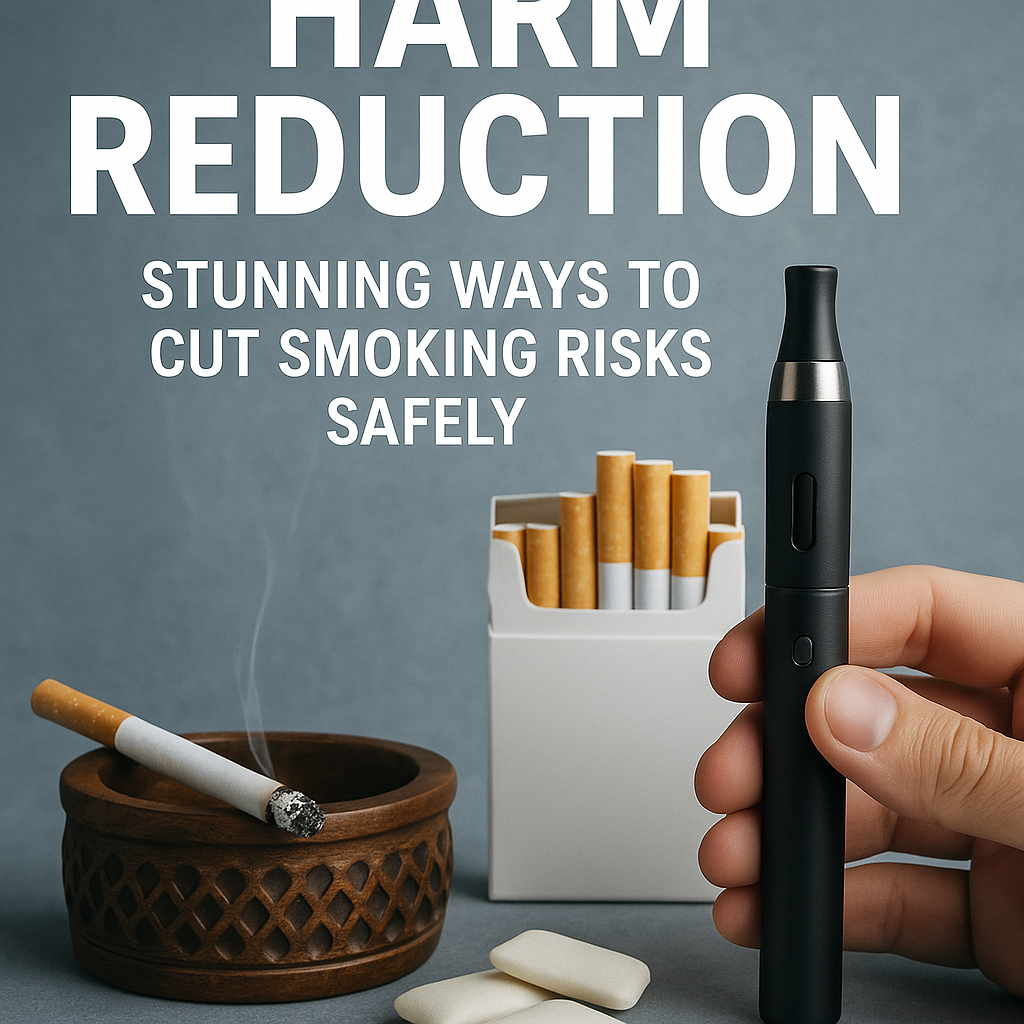
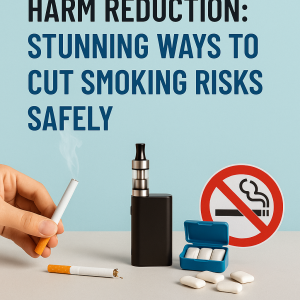
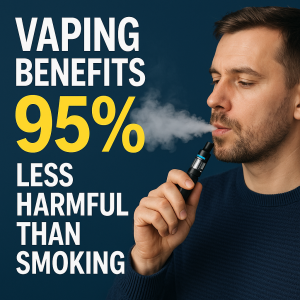
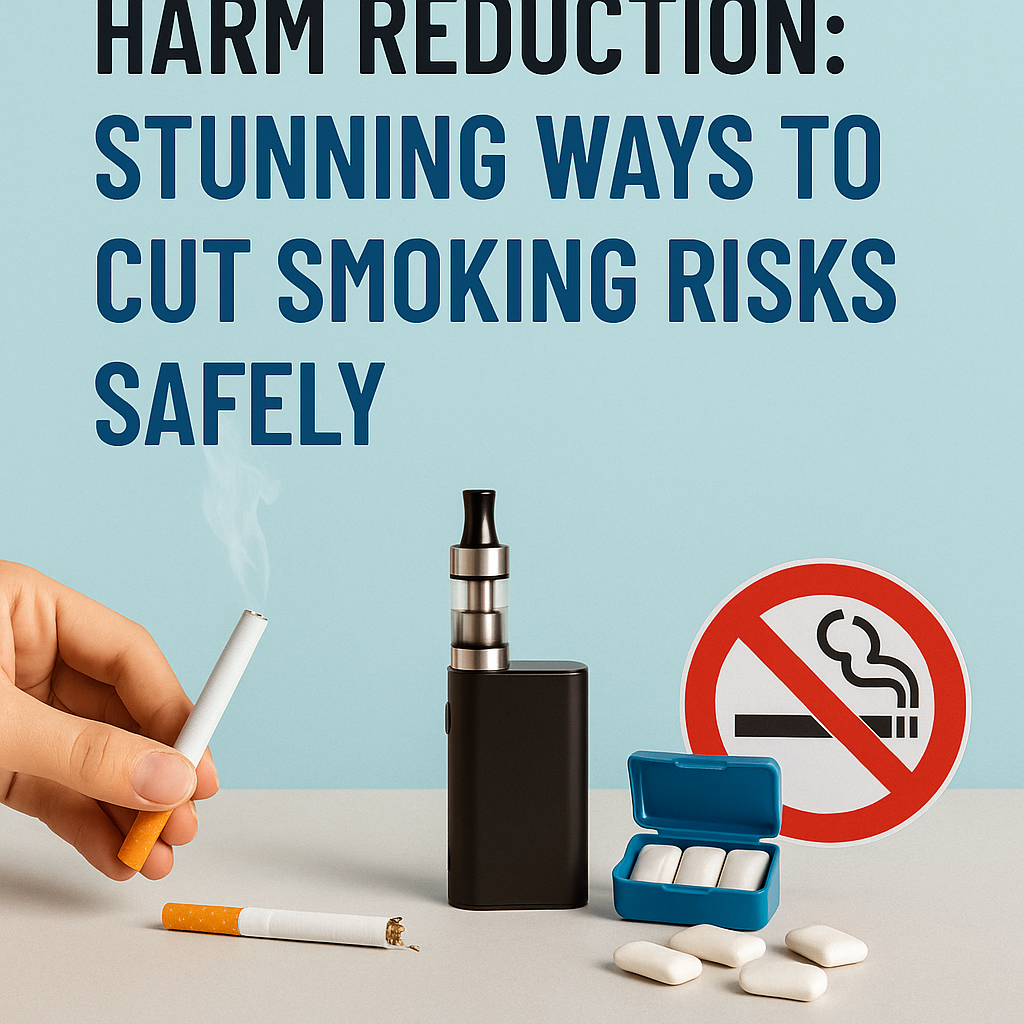
One of the most effective harm reduction strategies is switching from combustible cigarettes to less harmful alternatives. Products like nicotine replacement therapies (patches, gums, lozenges) and electronic cigarettes (vapes) deliver nicotine without burning tobacco. Vaping, for example, heats a liquid containing nicotine to create vapor instead of smoke, greatly reducing the intake of carcinogens and tar. While not completely risk-free, these alternatives have been shown to be significantly less harmful than traditional smoking.
Reducing the Number of Cigarettes Smoked
Cutting down on the number of cigarettes smoked daily is another straightforward way to reduce harm. Even small reductions can lower the risk of heart disease and lung damage. Smokers can gradually decrease their consumption by delaying their first cigarette of the day, spacing out smoking intervals, or setting daily limits. This step-by-step approach can also serve as a bridge toward eventual quitting.
Avoiding Deep Inhalation and Holding Smoke
How a person smokes can affect the level of harm. Deep inhalation and holding smoke in the lungs increase the absorption of toxic substances. Smokers can reduce harm by taking shallower puffs and exhaling more quickly. This simple behavioral change can lessen the damage to lung tissue and reduce exposure to harmful chemicals.
Using Filters and Low-Tar Cigarettes with Caution
Some smokers believe that low-tar cigarettes or filters reduce harm. While these may slightly lower tar intake, they are not a safe alternative to quitting or switching to non-combustible products. Filters can sometimes lead to compensatory smoking behaviors, such as inhaling more deeply, which negate benefits. Therefore, these options should be considered with caution and not relied upon as primary harm reduction methods.
Avoiding Smoking in Enclosed Spaces
Secondhand smoke is harmful to others, especially children and non-smoking adults. Harm reduction also involves protecting loved ones by avoiding smoking indoors or in enclosed spaces. Smoking outdoors or in well-ventilated areas reduces the risk of exposing others to toxic smoke, contributing to overall community health.
Seeking Professional Support and Resources
Harm reduction does not mean going it alone. Many healthcare providers offer counseling and support tailored to harm reduction goals. Accessing resources like quitlines, support groups, and educational materials can provide motivation and guidance. Combining harm reduction strategies with professional help increases the chances of successfully reducing smoking risks.
Conclusion
Harm reduction presents stunning opportunities to cut smoking risks safely by offering practical alternatives and behavioral changes. Whether through switching to vaping, reducing cigarette consumption, or modifying smoking habits, these methods can significantly improve health outcomes for smokers who are not ready or able to quit immediately. Embracing harm reduction is a positive step toward a healthier life, one thoughtful action at a time.