
THR in Vaping Advocacy: Exclusive Guide to Best Practices
Tobacco harm reduction is transforming the conversation around smoking, and vaping advocacy plays a key role in helping smokers make safer choices. By sharing clear, evidence-based information, advocates can support healthier alternatives and shape better public health policies.
THR in vaping advocacy plays a crucial role in shaping public perception and policy around tobacco harm reduction. Tobacco Harm Reduction (THR) refers to strategies aimed at lowering the health risks associated with tobacco use, primarily by encouraging smokers to switch to less harmful alternatives such as vaping. As vaping continues to gain attention as a safer alternative to traditional smoking, advocates must adopt best practices to effectively promote THR and support smokers in making informed choices.
Understanding THR in Vaping Advocacy
At its core, THR is about minimizing the adverse health effects caused by smoking combustible tobacco products. Vaping, which involves inhaling vapor produced by an electronic cigarette or similar device, delivers nicotine without many of the harmful chemicals found in cigarette smoke. This makes it a compelling option for smokers who struggle to quit using conventional methods.
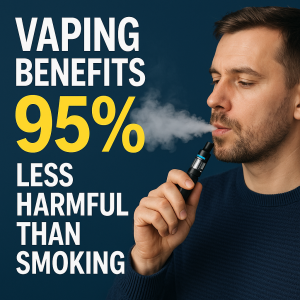
Advocates of vaping as a THR tool emphasize the importance of evidence-based information. Scientific studies have repeatedly shown that vaping is significantly less harmful than smoking, though not completely risk-free. The goal of THR advocacy is to communicate these nuances clearly, dispelling myths and misinformation that can hinder smokers from switching to safer alternatives.
Best Practices for Effective THR Advocacy in Vaping
1. Prioritize Accurate and Balanced Information
One of the most effective ways to advocate for THR is by providing accurate, balanced, and up-to-date information. This means acknowledging both the benefits and the limitations of vaping. Avoid overstating vaping as a “miracle cure” while highlighting its potential to reduce harm compared to smoking.
2. Engage with Policymakers and Health Professionals
Successful advocacy requires collaboration with policymakers and healthcare providers. Educating these groups about the science behind THR can influence regulations and public health guidelines. Advocates should present clear data and real-world examples to demonstrate how vaping can be integrated into tobacco control strategies.
3. Support Smokers with Resources and Community
THR advocacy is most impactful when it includes support systems for smokers looking to transition to vaping. Providing resources such as how-to guides, product recommendations, and access to community forums can empower individuals to make the switch confidently. Peer support groups and online communities also play a vital role in sustaining motivation and sharing experiences.
4. Address Youth and Non-Smoker Concerns Responsibly
While promoting vaping as a harm reduction tool for smokers, it is essential to address concerns about youth uptake and non-smoker initiation. Advocates should support measures that restrict access to vaping products for minors and emphasize that vaping is intended for current smokers seeking less harmful alternatives.
5. Use Clear, Non-Judgmental Messaging
The tone of advocacy messaging matters. Using respectful, non-judgmental language helps build trust and opens dialogue with smokers who might feel stigmatized. Framing vaping as a personal choice and a step toward better health encourages more individuals to consider THR options.
The Future of THR in Vaping Advocacy
The landscape of tobacco harm reduction is evolving, with ongoing research and shifting public attitudes. Advocates must stay informed about new developments and adapt their strategies accordingly. By adhering to best practices, THR advocates can continue to play a vital role in reducing smoking-related harm and supporting public health.
In conclusion, THR in vaping advocacy requires a thoughtful, evidence-based approach that balances optimism with realism. By prioritizing education, collaboration, support, and responsible messaging, advocates can help smokers transition away from combustible tobacco and improve health outcomes worldwide.