
Vaping Safety: Must-Have, Best Guide vs Smoking
Vaping safety is a practical framework for choosing reliable devices, quality e-liquids, and sensible habits that let you enjoy vaping with peace of mind. This guide helps you understand vaping safety—through device checks, ingredient labels, and smart nicotine choices—so you can compare it to smoking and decide what’s right for you.
Vaping Safety is more than a trend; it’s a framework for making informed choices about devices, liquids, and practices that affect your health and well-being. Whether you’re curious about switching from smoking, starting a vape hobby, or just trying to understand best practices, a solid safety approach helps you minimize risk while maximizing enjoyment. This guide covers practical steps, common pitfalls, and reliable comparisons to smoking, so you can decide what’s right for you without sacrificing peace of mind.
Vaping Safety Essentials: What it means in practice
Vaping safety starts with three core pillars: device integrity, e-liquid quality, and sane usage habits. Each pillar has concrete steps you can take today.
– Device integrity: Choose reputable brands, inspect devices for damage, and use appropriate chargers and batteries. Avoid makeshift repairs, over-tightening connections, or using damaged coils.
– E-liquid quality: Read labels carefully, know your nicotine strength, and avoid additives that carry health concerns. Prefer products with clear ingredient lists and third-party testing when possible.
– Usage habits: Start with low nicotine if you’re trying to reduce intake, monitor your throat hit and satisfaction, and set limits to prevent overuse.
Comparing vaping safety to smoking: what changes
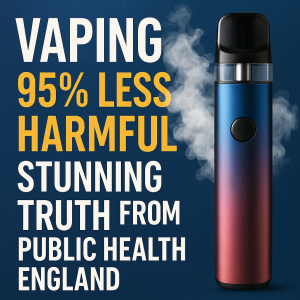
Vaping generally exposes users to fewer toxic combustion byproducts than traditional cigarettes. Combustion releases thousands of chemicals, many of which are harmful. In contrast, vaping heats a liquid to produce a vapor, without burning tobacco. However, lower risk does not mean risk-free. Vaping involves exposure to nicotine (which is addictive) and other chemicals that can irritate the airways or affect heart rate in sensitive individuals. The best approach is to stay informed, use products responsibly, and avoid high-risk behaviors like modifying devices or using unregulated liquids.
Choosing the right device: safer options and red flags
– Start with reputable brands: Look for lab-tested devices from established manufacturers with transparent safety data.
– Favor closed-pod systems or regulated mods from trusted vendors, especially if you’re new to vaping. They tend to have built-in safety features like short-circuit protection and overcharge protection.
– Be wary of “cheap” devices, unknown liquids, and DIY coil builds that can overheat or fail catastrophically.
– Understand battery safety: Use the correct charger, never mix batteries, avoid damaged wraps, and don’t carry loose batteries in pockets with metal objects.
E-liquid safety: reading labels and avoiding hazards
– Nicotine strength matters: If you’re new to vaping, start low (e.g., 3–6 mg/mL) and taper as needed. Higher strengths are not inherently safer and can increase nicotine dependence.
– Ingredient transparency matters: Look for e-liquids with clearly listed ingredients and avoid products containing diacetyl or high levels of certain flavoring chemicals if documented as potentially harmful.
– Storage and handling: Keep liquids in child-resistant packaging, away from heat, and out of reach of pets and children. If a bottle leaks, discard it and clean the device to prevent residue buildup.
– Food-grade isn’t always safety-grade: A flavor that tastes good isn’t a guarantee of safety for inhalation, so rely on products that emphasize inhalation-tested ingredients.
Safety best practices for new vapers
– Start slowly, observe how your body responds, and consult healthcare professionals if you have underlying health conditions.
– Keep devices out of reach of children and pets, and never vape around them in shared spaces where secondhand exposure could matter.
– Practice responsible disposal: recycle batteries safely and follow local guidelines for disposing of e-liquid containers.
– Stay informed about product recalls or safety warnings and subscribe to reputable vaping safety resources for updates.
For smokers considering a switch: does vaping offer a safer alternative?
Switching from smoking to vaping can reduce exposure to many harmful combusted compounds, but the transition should be done thoughtfully. Set a realistic plan to cut down nicotine over time if possible, or commit to a gradual reduction strategy. Keep in mind that the goal is harm reduction and personal well-being, not perfection. If you have cardiovascular or respiratory conditions, discuss the switch with a healthcare professional to tailor a plan that suits your health needs.
Common myths vs. facts in vaping safety
– Myth: Vaping is completely safe because it doesn’t burn tobacco. Fact: It generally carries fewer toxicants than smoking but is not risk-free, and long-term data continue to emerge.
– Myth: All vape flavors are equally risky. Fact: Some flavor chemicals have been linked to respiratory irritation when inhaled; choose reputable liquids tested for inhalation safety.
– Myth: Higher nicotine means better safety. Fact: Nicotine is addictive and can raise heart rate and blood pressure; safety depends on context, delivery, and individual health.
Conclusion: staying safe while exploring vaping
Vaping safety blends education, mindful device use, and responsible consumption. By prioritizing device integrity, choosing transparent e-liquids, and adopting cautious usage habits, you can reduce risks and make informed decisions. If you’re new to vaping, start slow, choose quality products, and seek professional guidance if you have health concerns. Remember, the goal is to support your health and well-being while offering a satisfying alternative to smoking.