
Tobacco Harm Reduction: Must-Have Strategies for Safer Smoking
Tobacco harm reduction offers practical strategies that help smokers minimize health risks without the pressure to quit completely. By exploring safer alternatives like nicotine replacement therapy and vaping, you can take meaningful steps toward healthier smoking habits.
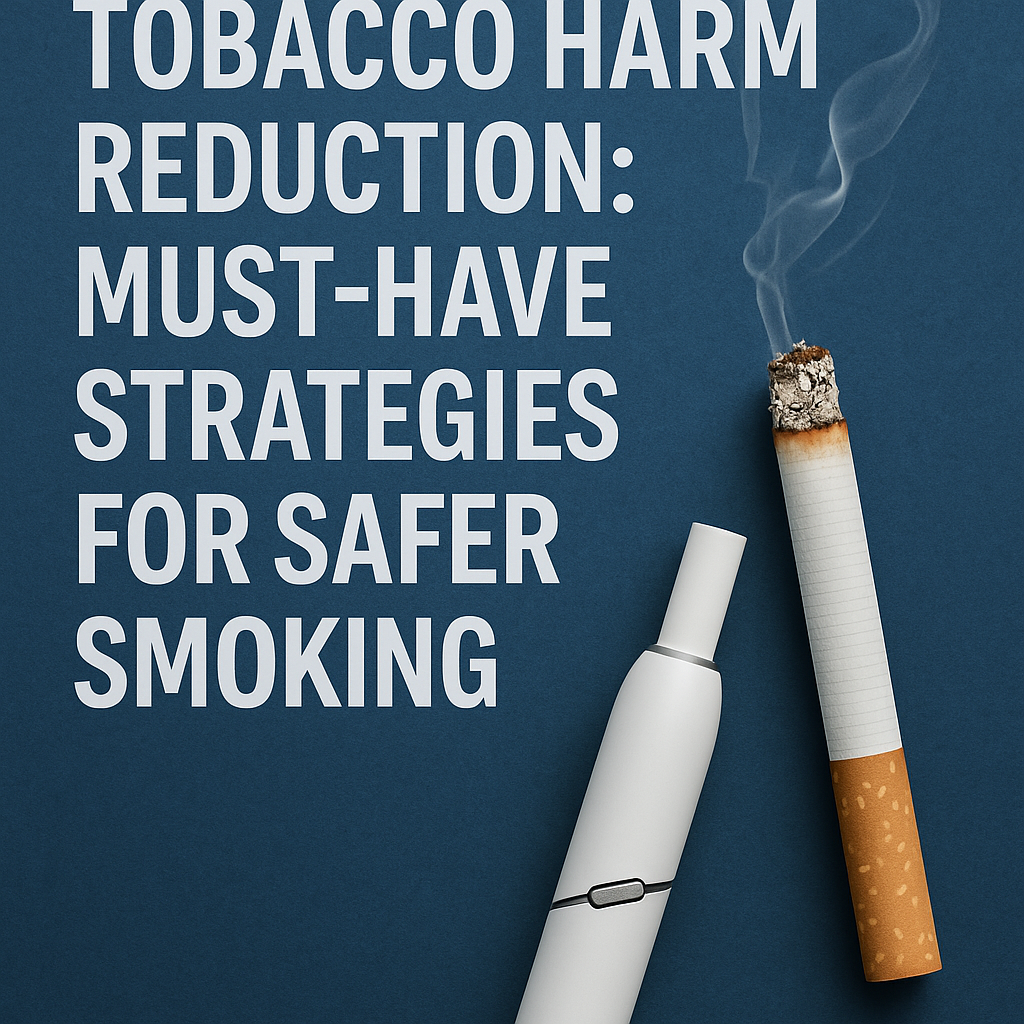
Tobacco harm reduction is an essential approach aimed at minimizing the health risks associated with smoking while acknowledging that some individuals may continue to use tobacco products. Unlike traditional cessation methods that focus solely on quitting, harm reduction strategies provide practical alternatives and safer options for smokers who are not ready or able to quit completely. By adopting these strategies, smokers can significantly reduce the negative impact of tobacco on their health.
Understanding Tobacco Harm Reduction
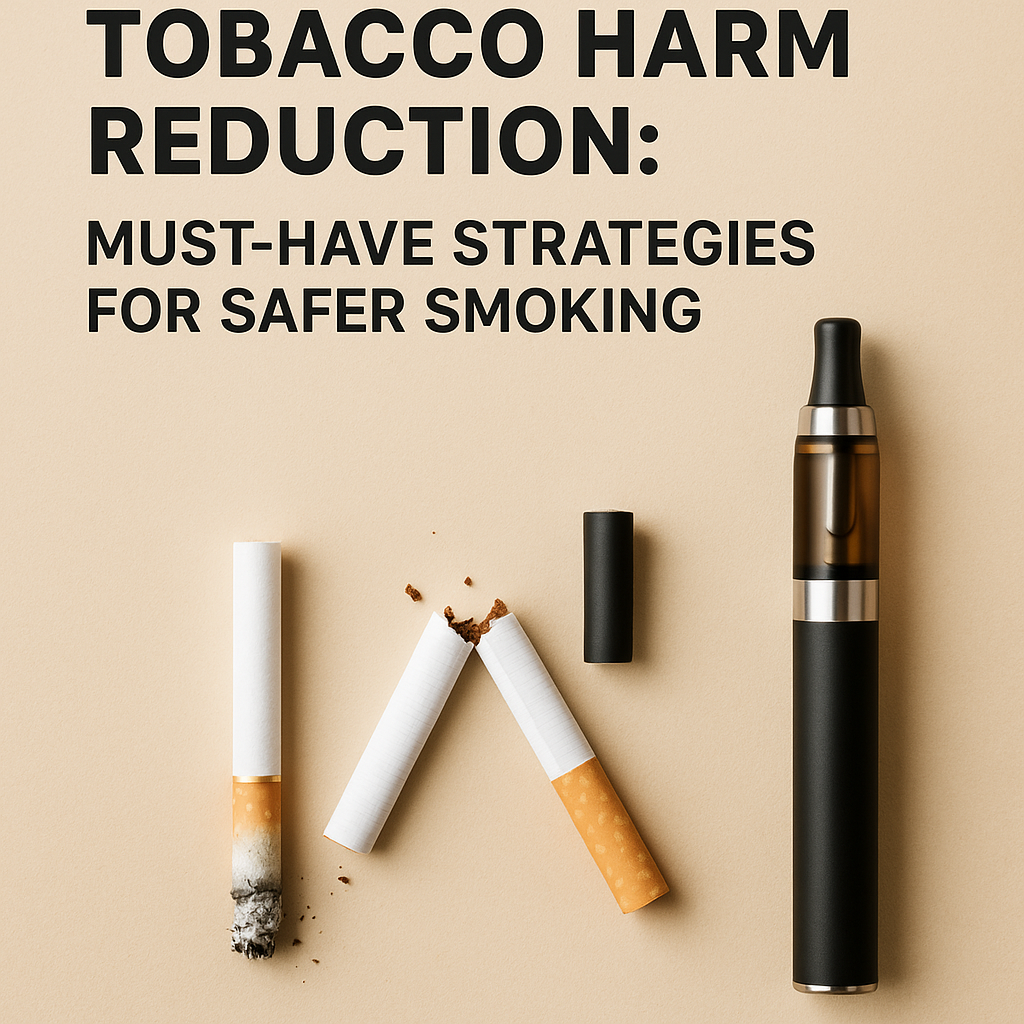
At its core, tobacco harm reduction involves substituting high-risk tobacco products, like combustible cigarettes, with less harmful alternatives. This approach is grounded in scientific evidence that shows many tobacco-related diseases result from the inhalation of toxic chemicals produced during combustion. Therefore, by eliminating or reducing exposure to these harmful substances, smokers can lower their risk of developing serious health problems such as lung cancer, heart disease, and chronic obstructive pulmonary disease (COPD).
Must-Have Strategies for Safer Smoking
1. Switching to Nicotine Replacement Therapy (NRT)
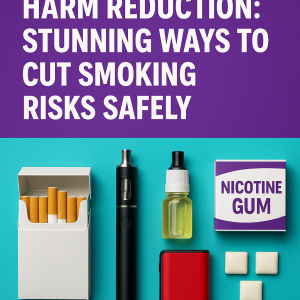
Nicotine Replacement Therapy, including patches, gums, lozenges, and inhalers, provides a controlled dose of nicotine without the harmful chemicals found in cigarette smoke. NRT helps reduce withdrawal symptoms and cravings, making it easier for smokers to cut down or eventually quit. These products are widely available, FDA-approved, and considered safe when used as directed.
2. Using Electronic Cigarettes (Vaping)
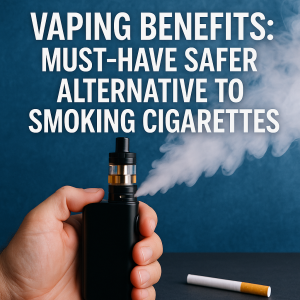
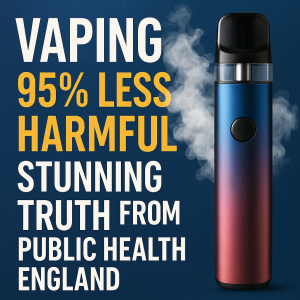
Electronic cigarettes, or e-cigarettes, have emerged as a popular harm reduction tool. They deliver nicotine through vapor rather than smoke, eliminating many of the toxic byproducts of combustion. While not completely risk-free, vaping is generally regarded as significantly less harmful than smoking traditional cigarettes. Smokers who switch entirely to vaping often experience improvements in respiratory symptoms and overall health.
3. Opting for Smokeless Tobacco Alternatives
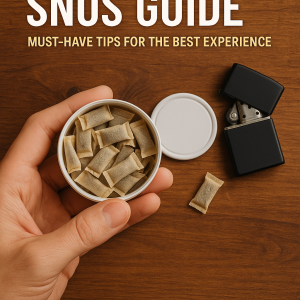
Smokeless tobacco products, like snus or chewing tobacco, can be a less harmful option for some smokers. These products avoid the combustion process and thus reduce exposure to harmful smoke toxins. However, it is important to note that smokeless tobacco still carries some health risks, including oral cancers and gum disease, so they should be considered a temporary alternative rather than a long-term solution.
4. Reducing Cigarette Consumption Gradually
For smokers unwilling or unable to quit abruptly, gradually reducing the number of cigarettes smoked daily can lower toxin intake. This strategy, combined with behavioral support, can help reduce dependence and pave the way for eventual cessation or transition to safer alternatives.
5. Seeking Behavioral Support and Counseling
Behavioral interventions play a crucial role in tobacco harm reduction. Counseling, support groups, and digital apps can provide motivation, coping strategies, and personalized guidance. Combining behavioral support with harm reduction tools increases the chances of success and promotes healthier lifestyle changes.
The Role of Policy and Education
Effective tobacco harm reduction requires supportive policies and public education. Governments and health organizations should promote awareness about safer alternatives and regulate products to ensure quality and safety. Educating smokers about the relative risks of different tobacco products empowers them to make informed decisions about their health.
Conclusion
Implementing tobacco harm reduction strategies is a pragmatic and compassionate approach to addressing the global smoking epidemic. By embracing safer alternatives such as nicotine replacement therapy, vaping, and smokeless tobacco, along with behavioral support and gradual reduction, smokers can significantly reduce their health risks. While quitting remains the best option, harm reduction provides a valuable pathway toward safer smoking and improved public health outcomes.