
THR Advocates: Exclusive Guide to Safer, Effective Alternatives
Tobacco harm reduction advocates are changing the way we think about quitting smoking by promoting safer, effective alternatives like e-cigarettes and nicotine replacement therapies that help reduce risks without demanding total nicotine abstinence. Their mission is to support smokers with accurate information and practical solutions that can save lives and improve public health.
THR Advocates play a crucial role in promoting safer, effective alternatives to traditional tobacco and nicotine products. As awareness of the health risks associated with smoking and combustible tobacco grows, these advocates are at the forefront of encouraging harm reduction strategies that can save lives and improve public health outcomes.
Understanding THR Advocates and Their Mission
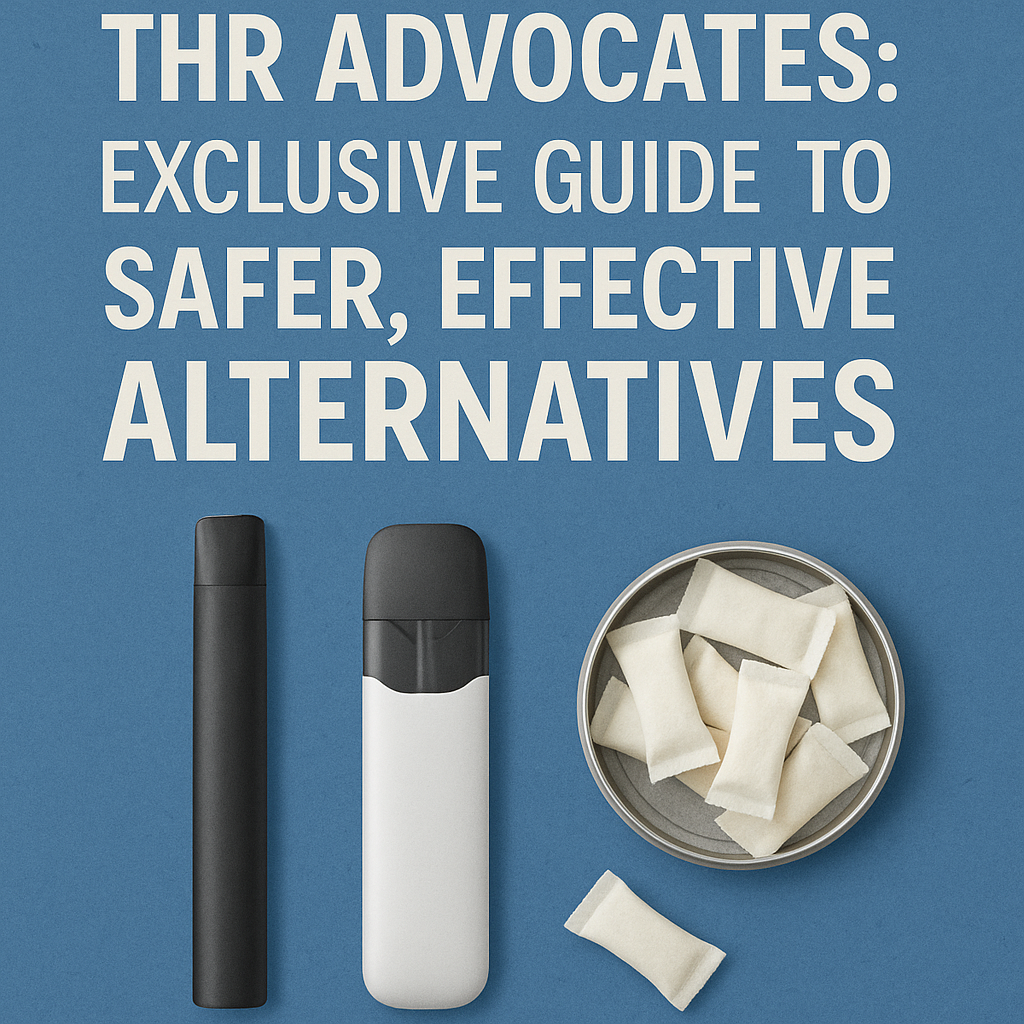
THR, or Tobacco Harm Reduction, advocates focus on the principle that while quitting all nicotine products is ideal, many smokers struggle to do so. Instead of insisting on complete abstinence, THR advocates promote the use of less harmful alternatives—such as e-cigarettes, nicotine patches, and smokeless tobacco products—to reduce the health risks linked to smoking combustible cigarettes. Their mission is to provide accurate information, dispel myths, and support smokers in making informed decisions about their health.
Why Safer Alternatives Matter
Traditional cigarettes contain thousands of harmful chemicals, many of which are carcinogenic and contribute to respiratory and cardiovascular diseases. THR advocates emphasize that switching to safer alternatives can dramatically lower exposure to these toxins. For example, vaping and heated tobacco products do not involve combustion, which significantly reduces the release of harmful substances. By championing these alternatives, THR advocates aim to reduce smoking-related diseases and deaths worldwide.
Common Safer Alternatives Promoted by THR Advocates
1. E-Cigarettes and Vaping Devices
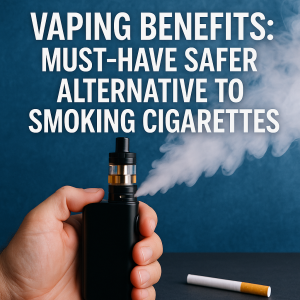
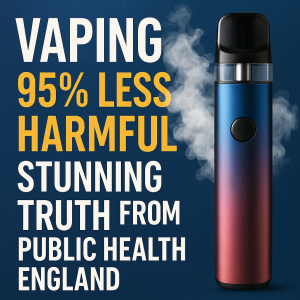
One of the most popular alternatives promoted by THR advocates, e-cigarettes deliver nicotine through vapor rather than smoke. Studies suggest that vaping is considerably less harmful than smoking, making it a valuable tool for smokers who cannot quit nicotine altogether.
2. Nicotine Replacement Therapy (NRT)
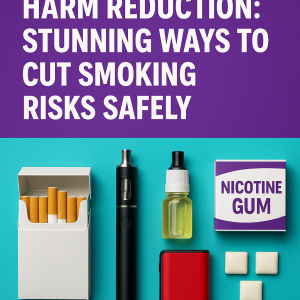
NRT products like patches, gums, and lozenges provide controlled doses of nicotine without the harmful chemicals found in cigarettes. THR advocates encourage using these therapies as part of a quit-smoking plan or as a transitional step toward complete cessation.
3. Smokeless Tobacco Products
Although not risk-free, certain smokeless tobacco products—such as snus—have been associated with lower health risks compared to smoking. THR advocates often point to countries like Sweden, where snus use has contributed to one of the lowest smoking rates and tobacco-related disease burdens in Europe.
Addressing Common Misconceptions
THR advocates work tirelessly to counter misinformation. A common misconception is that all nicotine use is equally harmful. While nicotine is addictive, it is the combustion of tobacco that causes the majority of health problems. By clarifying this distinction, advocates help smokers understand that switching to less harmful products can be a pragmatic step toward better health.
The Role of Policy and Education in THR
Effective tobacco harm reduction requires supportive policies and public education. THR advocates often engage with policymakers to promote regulations that encourage innovation in safer products while restricting the sale of the most harmful ones. Additionally, they provide resources and guidance to smokers seeking alternatives, ensuring that individuals can access reliable information and support.
Conclusion
The work of THR advocates is vital in the ongoing effort to reduce the global health burden of tobacco use. By promoting safer, effective alternatives, they offer hope to millions of smokers who might otherwise continue to face severe health risks. Embracing tobacco harm reduction strategies can lead to a healthier future, where fewer people suffer from the devastating consequences of smoking.