
Youth Vaping Risks: Exclusive Guide to Avoid Nicotine Addiction
Youth vaping risks are more than just a trend—they pose serious threats to brain development and overall health. This exclusive guide helps teens and parents recognize the dangers of nicotine addiction and take practical steps to stay safe.
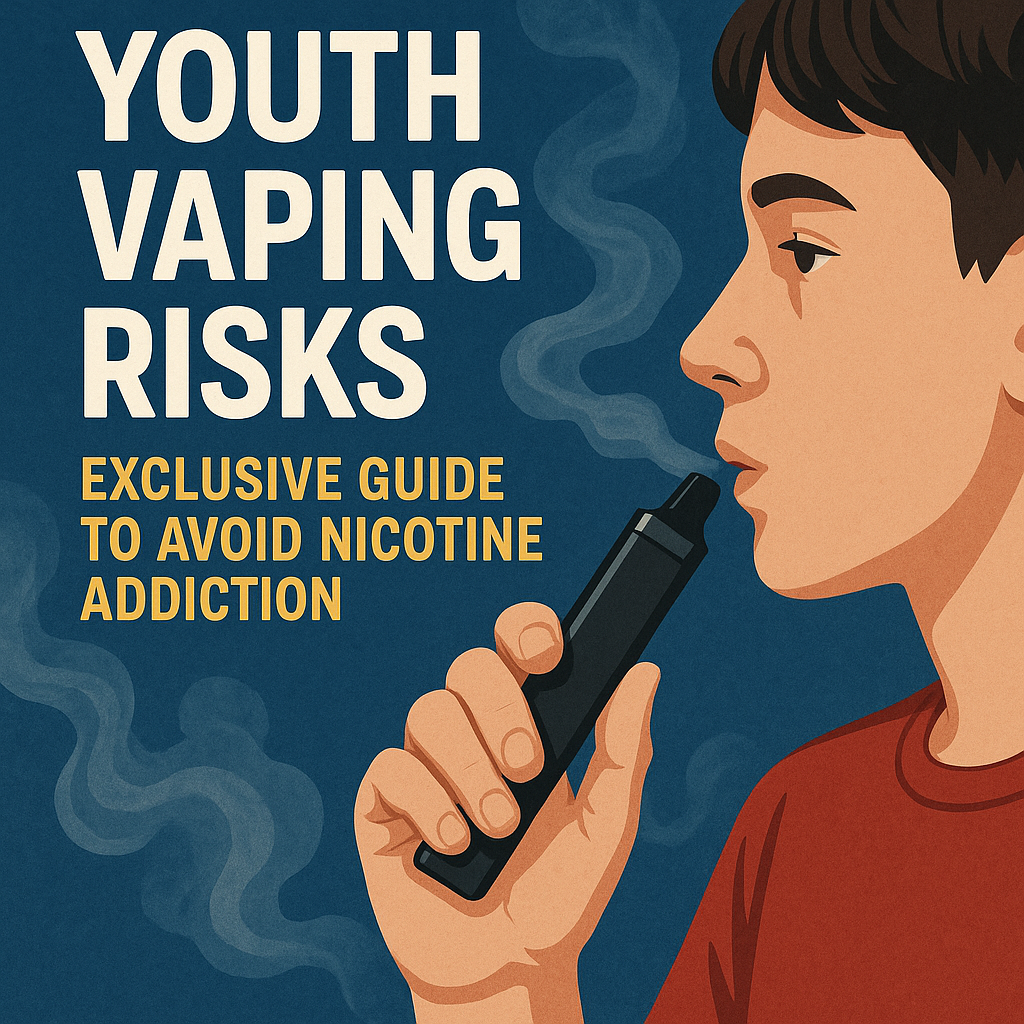
Youth vaping risks are a growing concern as more young people are experimenting with e-cigarettes, often unaware of the potential long-term consequences. This exclusive guide aims to shed light on the dangers associated with vaping among adolescents and provide practical advice on how to avoid nicotine addiction.
Understanding Youth Vaping Risks
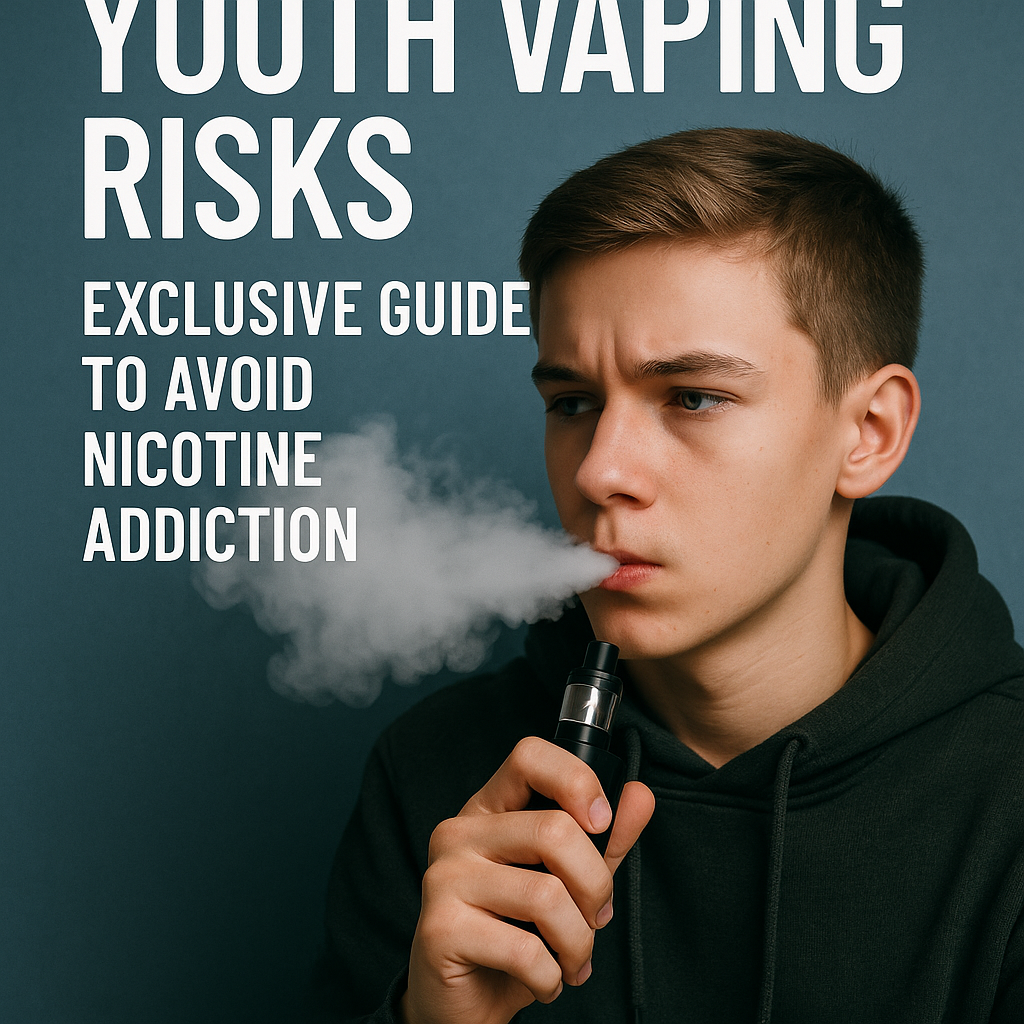
Vaping devices, commonly known as e-cigarettes, have surged in popularity among teenagers. Many are attracted by flavored options and the perception that vaping is a safer alternative to smoking traditional cigarettes. However, this misconception can lead to serious health issues. The primary risk stems from the nicotine content in most vaping products, which is highly addictive and can affect brain development in young people.
Nicotine exposure during adolescence can impair attention, learning, and memory. It can also increase the likelihood of developing mood disorders and other substance addictions later in life. Beyond nicotine, vaping exposes users to harmful chemicals and ultrafine particles that can damage lung tissue and lead to respiratory problems.
How Nicotine Addiction Develops in Youth
Nicotine quickly alters brain chemistry by stimulating the release of dopamine, a neurotransmitter linked to pleasure and reward. For young users, this effect can create a cycle of dependence, making it difficult to quit. The more frequently a young person vapes, the stronger the addiction becomes, often leading to increased usage and potential transition to combustible cigarettes.
Additionally, the social environment plays a crucial role. Peer pressure and marketing tactics targeted at youth can normalize vaping, making it harder for teens to resist trying or continuing the habit.
Practical Steps to Avoid Nicotine Addiction
1. Educate Yourself and Others
Awareness is the first defense. Understanding the risks associated with vaping empowers youth to make informed decisions. Parents, teachers, and community leaders should openly discuss the dangers and dispel myths about vaping being harmless.
2. Recognize Triggers and Avoid Temptations
Identifying situations or emotions that lead to vaping can help in developing coping strategies. Encouraging healthy alternatives such as sports, hobbies, or social activities can reduce the urge to vape.
3. Seek Support When Needed
For those who have already started vaping, quitting can be challenging but is achievable. Support groups, counseling, and nicotine replacement therapies designed for adolescents can provide the necessary help to overcome addiction.
4. Advocate for Policy Changes
Communities can work together to limit youth access to vaping products by supporting policies that restrict sales, ban flavored e-liquids, and increase awareness campaigns.
Conclusion
Youth vaping risks extend far beyond a passing trend; they represent a significant public health challenge. By understanding the dangers of nicotine addiction and taking proactive steps, young people can protect their health and avoid the pitfalls of vaping. This guide serves as a resource to empower youth and their support networks in making healthier choices for the future.