
Vaping Bans: Shocking Restrictions Despite Powerful THR Benefits
Despite clear evidence of vaping’s powerful tobacco harm reduction benefits, vaping bans continue to spread worldwide, sparking debate over whether such restrictions help or hinder public health goals.
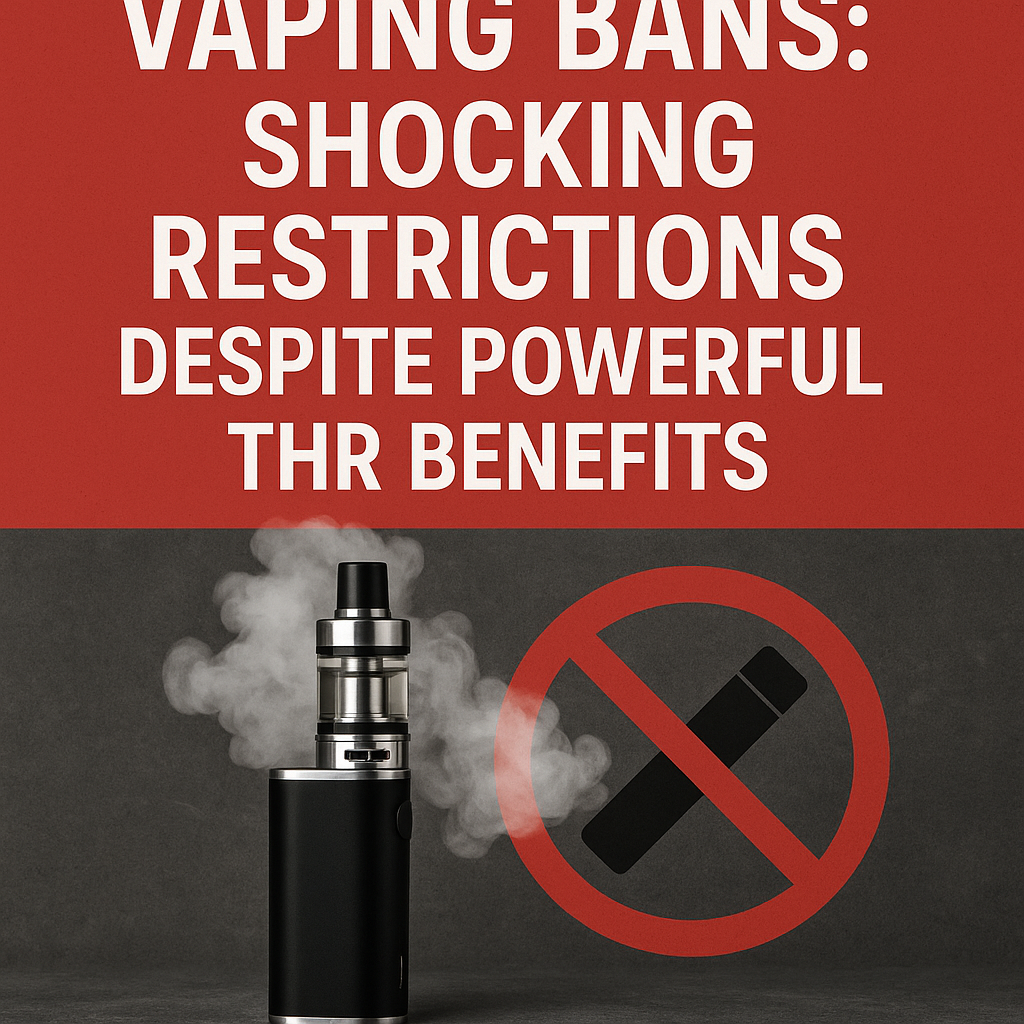
Vaping bans have become a controversial topic worldwide, especially considering the powerful tobacco harm reduction (THR) benefits that vaping offers compared to traditional smoking. Despite mounting scientific evidence supporting the role of vaping in reducing smoking-related health risks, many governments and local authorities continue to impose strict restrictions or outright bans on e-cigarettes. This paradox raises important questions about public health policies and the future of harm reduction strategies.
Understanding the Powerful THR Benefits of Vaping
Tobacco harm reduction refers to strategies aimed at decreasing the health risks associated with tobacco use without necessarily eliminating nicotine consumption. Vaping is widely recognized as a key component of THR because it delivers nicotine without the harmful tar and many toxic chemicals found in combustible cigarettes. Numerous studies show that switching from smoking to vaping significantly reduces exposure to carcinogens and other harmful substances, leading to improved lung function, reduced respiratory symptoms, and lower risk of cardiovascular disease.
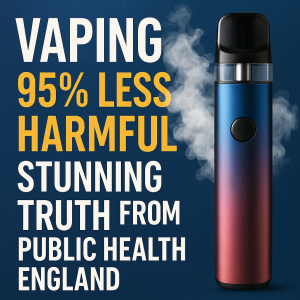
In fact, public health organizations such as Public Health England have stated that vaping is at least 95% less harmful than smoking. This powerful THR benefit has been instrumental in helping millions of smokers quit or reduce cigarette consumption, contributing to declines in smoking prevalence in some countries.
The Rise of Shocking Vaping Restrictions
Despite these benefits, vaping bans have proliferated in recent years, often justified by concerns about youth uptake, potential long-term health effects, or the need to regulate a relatively new product. These restrictions range from banning flavored e-liquids and advertising to prohibiting vaping in public spaces or even total bans on sales.
Some of these measures are seen as shocking because they ignore the evidence supporting vaping as a safer alternative to smoking. For example, blanket bans on e-cigarette sales can push smokers back to combustible cigarettes or to unregulated black-market products, potentially increasing health risks rather than reducing them.
Why Are Vaping Bans Still Happening?
Several factors contribute to the continuation of stringent vaping regulations:
– Precautionary Principle: Policymakers may adopt a cautious approach due to uncertainties about long-term effects of vaping, despite current evidence suggesting lower harm.
– Youth Protection: The rise in youth vaping has alarmed regulators, leading to restrictions aimed at preventing nicotine addiction among young people.
– Public Perception: Misconceptions about vaping being equally or more harmful than smoking influence public opinion and policymaking.
– Industry Influence and Misinformation: Conflicting messages from different stakeholders sometimes create confusion and hinder balanced policy decisions.
Balancing Regulation and Harm Reduction
The challenge moving forward lies in crafting policies that protect young people from nicotine initiation while preserving vaping’s role as a harm reduction tool for adult smokers. This means targeted regulations such as restricting sales to minors, banning flavors that appeal primarily to youth, and enforcing quality standards, rather than outright bans.
Educating the public and policymakers about the scientific evidence on vaping and THR benefits is crucial. A balanced approach can help reduce smoking-related diseases without driving vapers back to more dangerous tobacco products.
Conclusion
Vaping bans, despite the powerful THR benefits, highlight a complex intersection of public health priorities, scientific evidence, and societal concerns. While protecting youth and ensuring product safety remain important, it is vital to recognize vaping’s potential to save lives by reducing the harms associated with smoking. Thoughtful regulation, grounded in evidence and focused on harm reduction, offers the best path forward in addressing this evolving public health challenge.