
Harm Reduction: Must-Have Strategies for Safer Nicotine Use
Discover practical, must-have strategies for safer nicotine use that empower you to reduce health risks without giving up nicotine entirely. This guide helps you make smarter choices with evidence-based harm reduction methods tailored for today’s users.
Harm reduction is an essential approach for individuals seeking safer nicotine use, especially in a world where nicotine consumption remains widespread despite its known health risks. By focusing on strategies that minimize the negative consequences associated with nicotine, users can make more informed decisions and reduce the potential for harm. This article explores must-have strategies that promote safer nicotine use through practical, evidence-based methods.
Understanding Harm Reduction in Nicotine Use
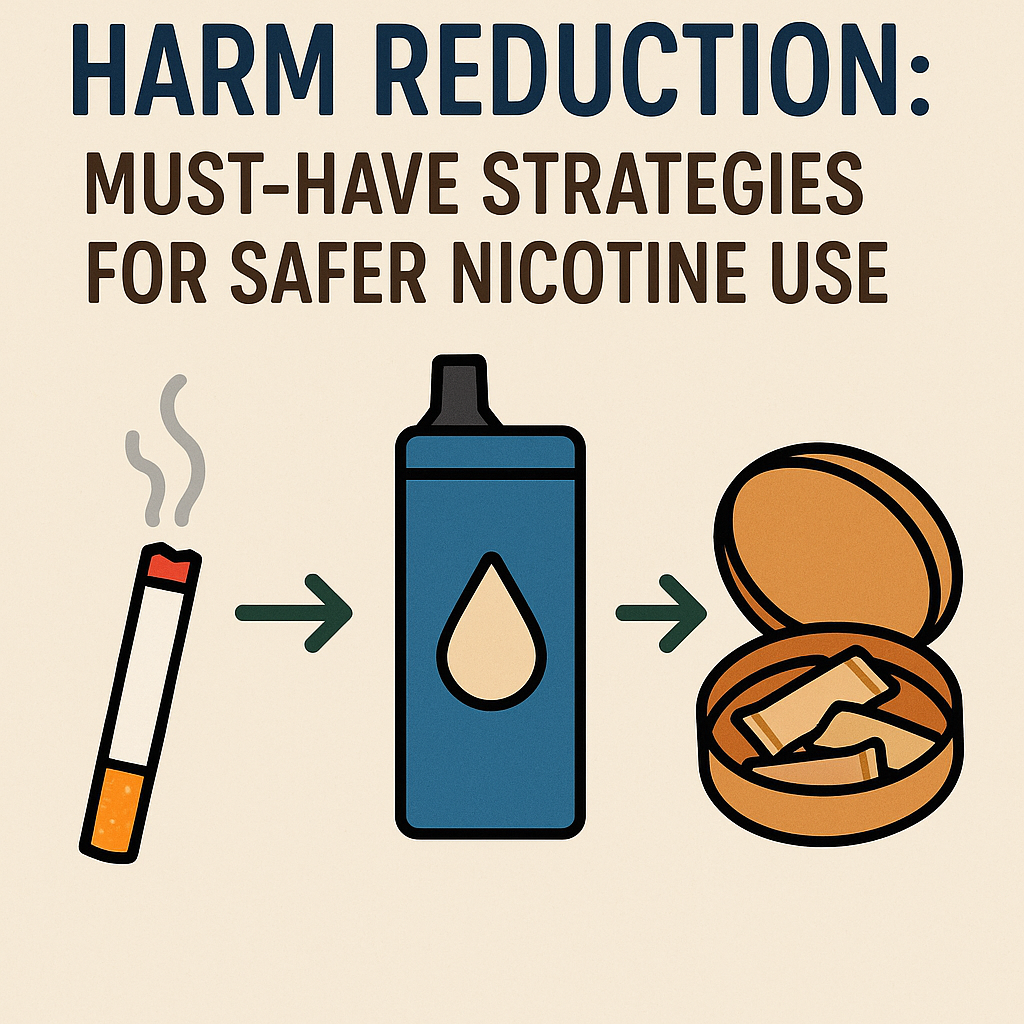
Harm reduction refers to policies, programs, and practices designed to reduce the adverse health, social, and legal impacts associated with drug use, without necessarily eliminating use altogether. When applied to nicotine, harm reduction acknowledges that while quitting nicotine entirely might be the best health choice, many users either struggle to quit or choose to continue using nicotine in some form. Therefore, safer alternatives and responsible usage can significantly lower the risks.
Must-Have Strategies for Safer Nicotine Use
1. Choose Less Harmful Nicotine Delivery Systems
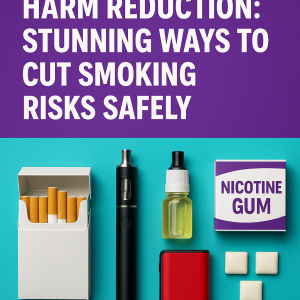
One of the most effective harm reduction strategies is opting for nicotine delivery methods that limit exposure to harmful substances. Traditional combustible cigarettes produce tar and thousands of toxic chemicals, which are the primary causes of smoking-related diseases. Alternatives like nicotine replacement therapies (NRTs)—including patches, gum, and lozenges—and electronic nicotine delivery systems (ENDS), such as e-cigarettes or vaping devices, tend to expose users to fewer harmful chemicals.
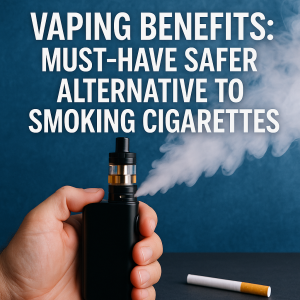
Switching from smoking to vaping or NRTs can drastically reduce the risk of respiratory diseases, cancers, and cardiovascular problems. However, it’s important for users to select reputable products and avoid unregulated or illicit substances.
2. Practice Controlled and Informed Usage
Another key strategy involves controlling the frequency and dosage of nicotine intake. Users who monitor their consumption and avoid excessive use can reduce the likelihood of developing dependence or experiencing adverse health effects. Understanding nicotine’s addictive potential and recognizing triggers for use can empower individuals to maintain safer habits.
Educating oneself about nicotine’s effects and seeking support from healthcare professionals or counseling services can also enhance self-control and reduce harm.
3. Avoid Mixing Nicotine with Other Harmful Substances
Combining nicotine use with other substances such as alcohol or illicit drugs can amplify health risks and complicate harm reduction efforts. For safer nicotine use, it’s advisable to avoid or limit concurrent substance use, as this can increase the likelihood of risky behaviors and adverse outcomes.
4. Regular Health Monitoring and Support
Regular check-ups and health monitoring allow users to track any potential negative effects of nicotine use and adjust their habits accordingly. Engaging with healthcare providers for advice and support can make a significant difference in successfully implementing harm reduction strategies.
Many communities also offer support groups and resources tailored to nicotine users seeking safer alternatives or assistance in reducing consumption.
Conclusion
Implementing harm reduction strategies is crucial for anyone looking to use nicotine more safely. By choosing less harmful delivery systems, practicing controlled use, avoiding harmful substance combinations, and seeking regular health support, individuals can significantly reduce the risks associated with nicotine. While quitting remains the healthiest option, these strategies provide practical pathways for reducing harm and promoting better health outcomes for nicotine users.