
Vaping Risks: Shocking Unknown Long-Term Effects Revealed
Vaping risks go far beyond what many people realize, with surprising long-term effects on lung and heart health that could change how we view this popular habit. Discover why understanding these hidden dangers is essential before picking up that vape.
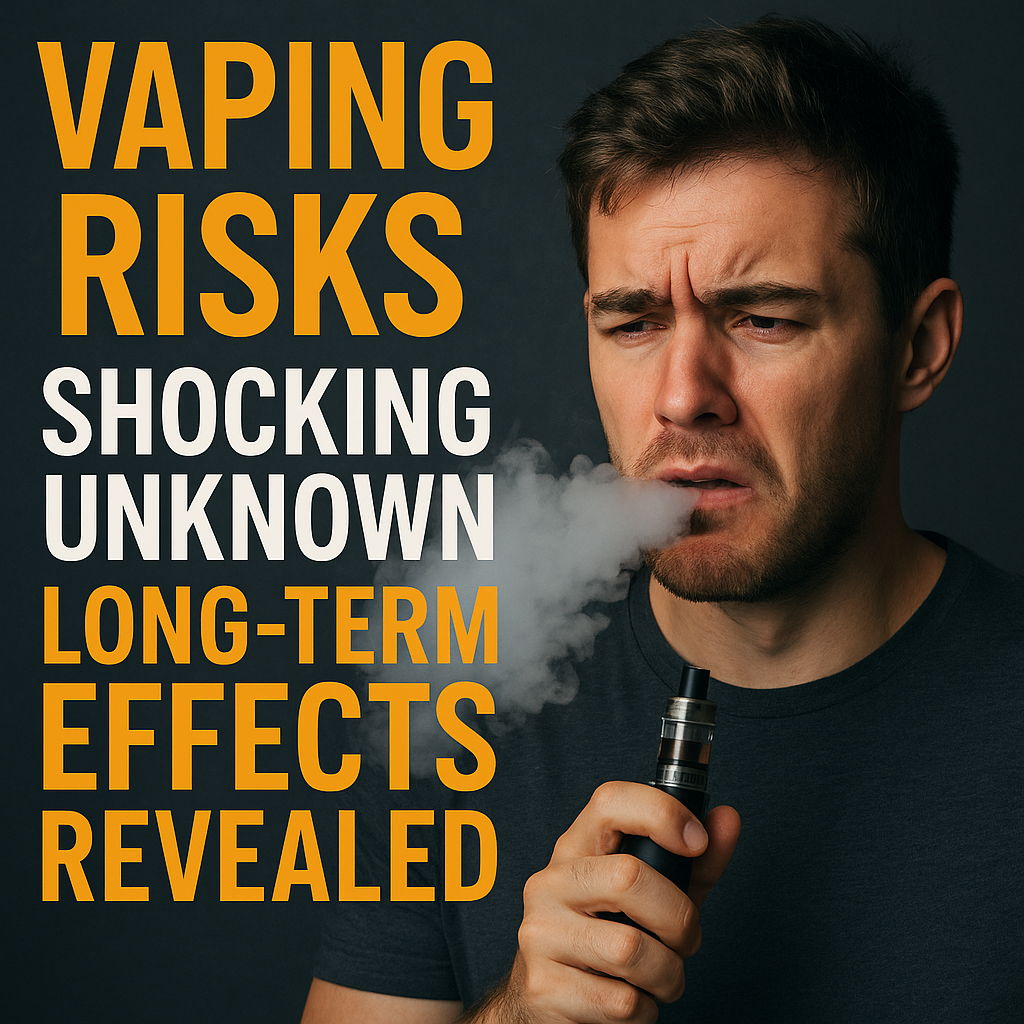
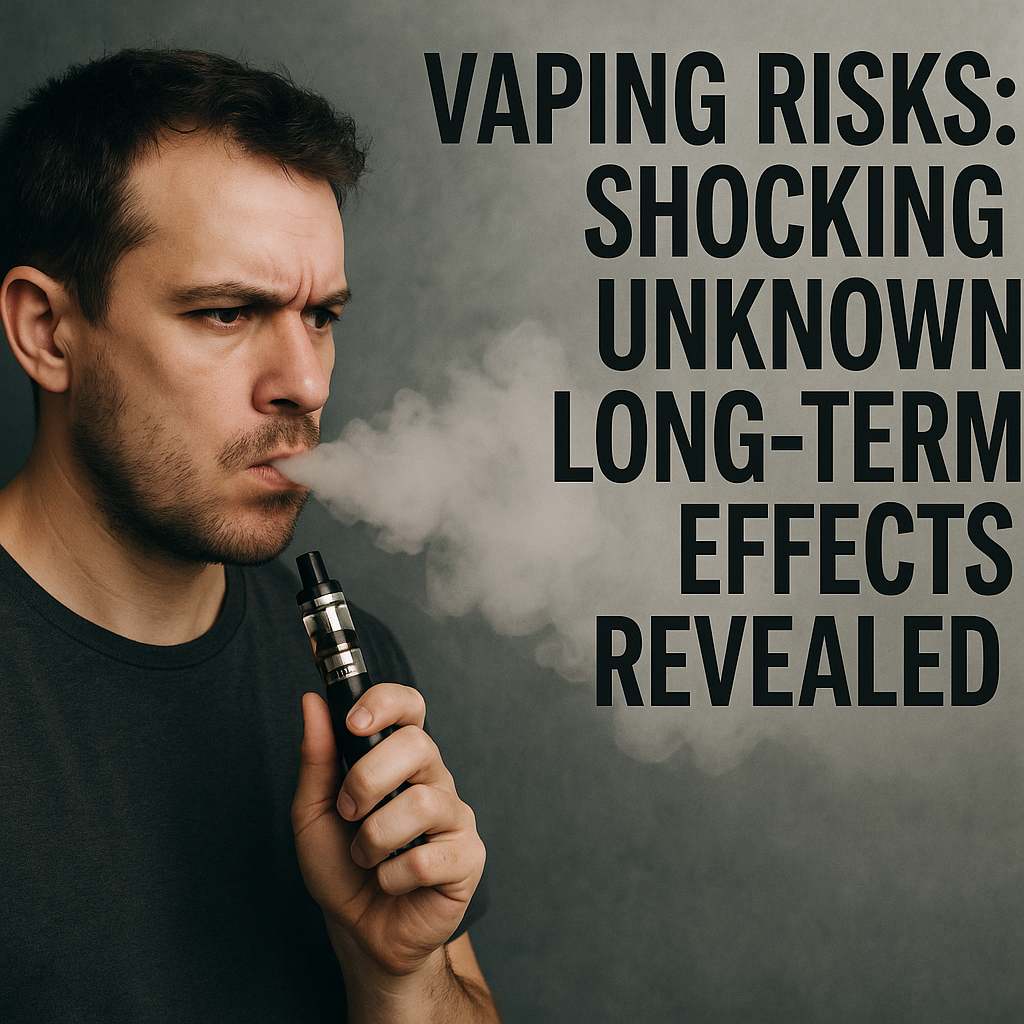
Vaping risks have become a growing concern as more research uncovers the shocking unknown long-term effects associated with this popular habit. While vaping is often marketed as a safer alternative to smoking traditional cigarettes, emerging evidence suggests that the health implications may be far more serious and complex than previously thought. Understanding these risks is crucial for anyone considering or currently engaged in vaping.
The Hidden Dangers Behind Vaping Risks
At first glance, vaping appears less harmful because it doesn’t involve the combustion of tobacco, which produces tar and many carcinogens. However, the aerosol produced by e-cigarettes contains numerous chemicals, some of which are toxic and potentially carcinogenic. Studies have shown that inhaling these chemicals over time can lead to respiratory issues, cardiovascular problems, and even immune system impairment.
One of the most alarming revelations is the impact of vaping on lung health. Unlike cigarette smoke, which has been extensively studied for decades, the long-term effects of inhaling vaporized substances remain largely unknown. Recent investigations have linked vaping to cases of severe lung injury, sometimes referred to as EVALI (e-cigarette or vaping product use-associated lung injury). Although EVALI cases have decreased with regulatory measures, the potential for chronic lung damage persists.
Shocking Unknown Long-Term Effects on Cardiovascular Health
Beyond the lungs, vaping risks extend to the heart and blood vessels. Nicotine, a common ingredient in many e-liquids, is a known stimulant that raises heart rate and blood pressure. Prolonged exposure to nicotine can contribute to the development of hypertension and increase the risk of heart attacks and strokes. Moreover, some flavoring agents used in vape liquids have been found to cause inflammation and damage to blood vessel linings, further exacerbating cardiovascular risks.
Impact on Brain Development and Mental Health
Another lesser-known but critical concern is the effect of vaping on brain development, especially among adolescents and young adults. Nicotine exposure during this crucial period can interfere with brain maturation, leading to cognitive deficits, attention disorders, and increased susceptibility to addiction. Additionally, some users report heightened anxiety and mood swings, which may be linked to the chemical composition of vaping products.
Environmental and Secondhand Exposure Hazards
Vaping risks are not limited to the user alone. The aerosol released into the environment contains fine particles and chemicals that can affect bystanders, including children and pregnant women. While secondhand vapor is generally considered less harmful than secondhand smoke, it still poses health concerns, particularly in enclosed spaces where exposure can accumulate.
Conclusion: Proceed with Caution
The shocking unknown long-term effects of vaping highlight the need for caution and further research. While vaping may offer a harm reduction pathway for current smokers, it is not without significant health risks. Awareness and education about these dangers are essential to help individuals make informed decisions. As science continues to unravel the full spectrum of vaping risks, prioritizing lung and cardiovascular health, protecting vulnerable populations, and regulating product safety remain paramount.