
Vaping Benefits: Stunning 95% Less Harmful Than Smoking Facts
Discover how vaping benefits smokers by offering a striking 95% less harmful alternative to traditional cigarettes, helping to reduce exposure to toxic chemicals and improve overall health.
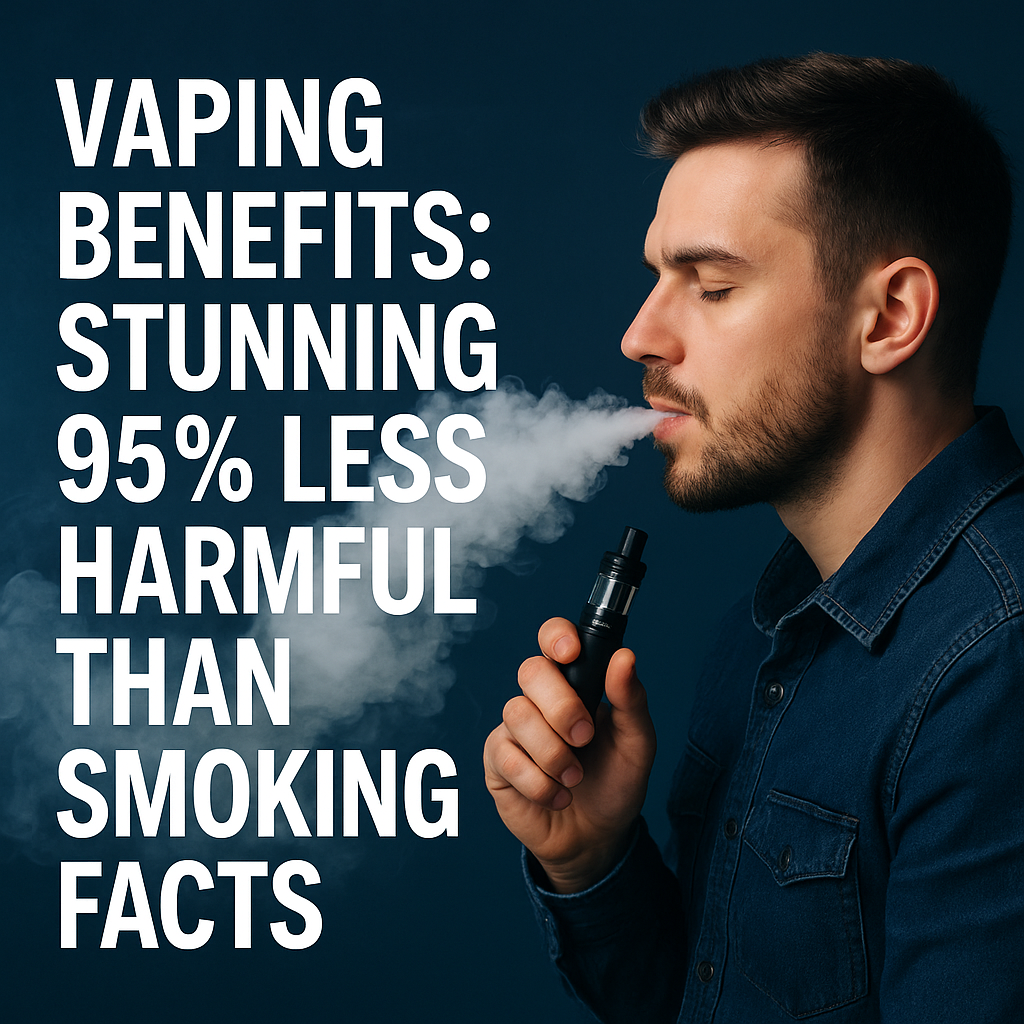
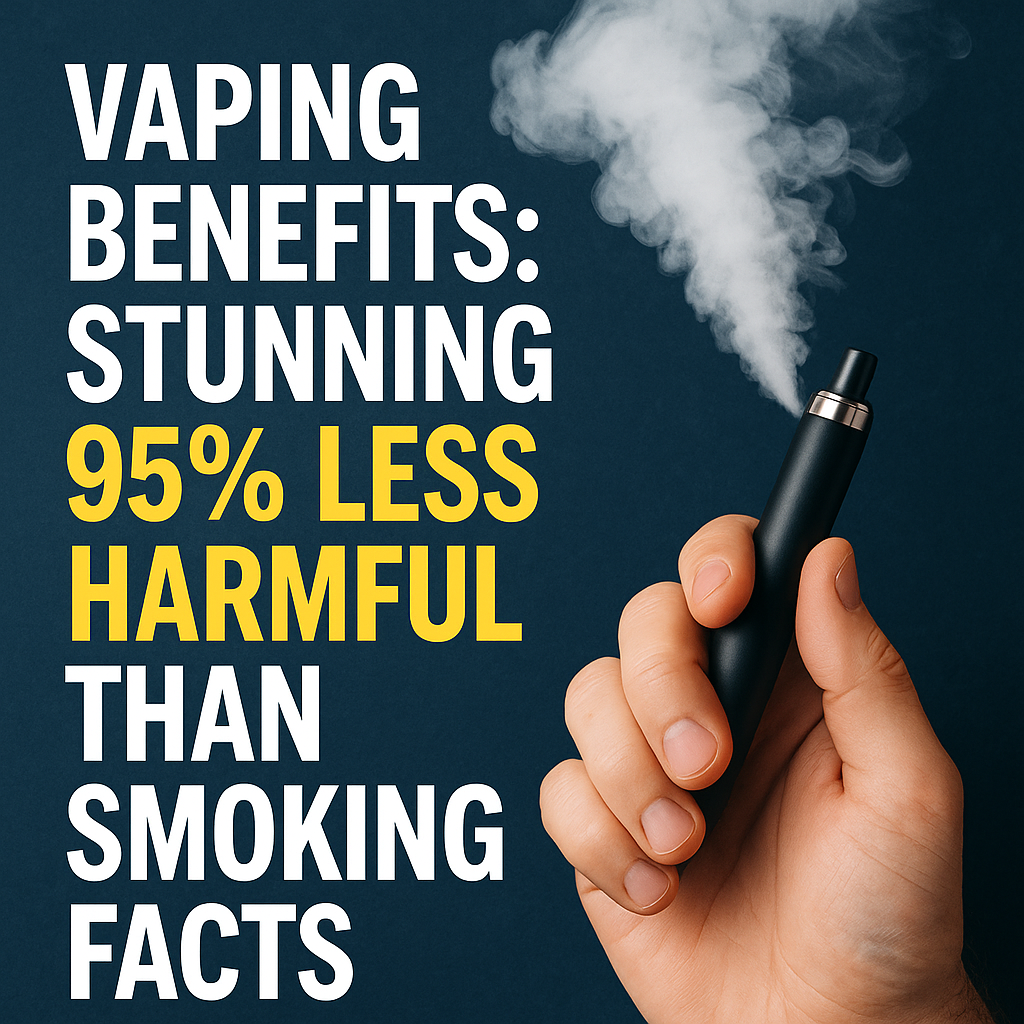
Vaping benefits have gained significant attention in recent years, especially as studies reveal that vaping is 95% less harmful than smoking traditional cigarettes. This striking statistic has sparked conversations among smokers, health professionals, and policymakers about the potential of vaping as a safer alternative to smoking. Understanding these benefits can help smokers make informed decisions about their health.
The Science Behind Vaping Benefits
The primary reason vaping is considered 95% less harmful than smoking lies in the difference between combustion and vaporization. Traditional cigarettes burn tobacco, which produces thousands of harmful chemicals, including tar and carbon monoxide—two of the main culprits behind smoking-related diseases. In contrast, vaping devices heat a liquid (e-liquid) to create vapor without combustion. This process significantly reduces the number of harmful substances inhaled by users.
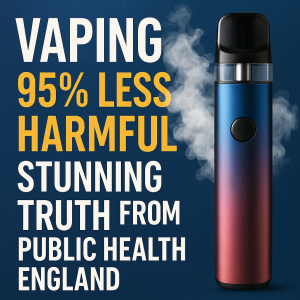
Public Health England (PHE), a leading health authority, conducted a comprehensive review of evidence and concluded that vaping carries only a fraction of the risk associated with smoking. This conclusion supports the growing consensus that switching to vaping can substantially reduce health risks for smokers who are unable or unwilling to quit nicotine altogether.
Key Vaping Benefits Over Smoking
1. Reduced Exposure to Toxic Chemicals
Smoking releases over 7,000 chemicals, many of which are toxic and carcinogenic. Vaping, however, exposes users to far fewer harmful substances. While not entirely risk-free, the chemical profile of e-cigarette vapor is significantly less damaging to the lungs and overall health.
2. Lower Risk of Respiratory Diseases
Diseases such as chronic obstructive pulmonary disease (COPD), lung cancer, and emphysema are closely linked to smoking. By switching to vaping, users can lower their risk of developing these conditions due to reduced inhalation of harmful particles.
3. Improved Cardiovascular Health
Smoking is a major risk factor for heart disease and stroke. Research suggests that vaping has a far less detrimental impact on cardiovascular health, making it a preferable option for smokers concerned about heart-related issues.
4. Better Smell and Taste
Many former smokers report improvements in their senses of taste and smell after switching to vaping. This benefit enhances overall quality of life and can be a motivating factor for quitting smoking.
5. Less Secondhand Smoke Risk
Vaping produces vapor rather than smoke, which dissipates more quickly and contains fewer harmful chemicals. This reduces the health risks for people around vapers, making it a socially safer option.
Addressing Common Misconceptions
Despite the clear benefits, some people remain skeptical about vaping. It’s important to recognize that while vaping is not completely risk-free, the overwhelming evidence points to it being a much safer alternative to smoking. Health authorities worldwide encourage smokers who cannot quit nicotine entirely to consider vaping as a harm reduction tool.
Conclusion
The vaping benefits, highlighted by the fact that it is 95% less harmful than smoking, present a compelling case for smokers to reconsider their habits. By switching to vaping, individuals can greatly reduce their exposure to toxic chemicals, lower their risk of serious diseases, and improve their overall well-being. While quitting all nicotine use remains the best option for health, vaping offers a realistic and safer pathway for many smokers looking to make a positive change.