
Youth Vaping Crisis: Must-Have Facts on Nicotine Addiction
The youth vaping crisis is a growing concern as more young people become addicted to nicotine through appealing flavors and trendy devices. Understanding the facts about this epidemic is key to protecting the next generation’s health and future.

Youth vaping crisis is an urgent public health concern that has rapidly escalated over the past decade. With the rise of e-cigarettes and vaping devices, nicotine addiction among young people has reached alarming levels. Understanding the facts behind this epidemic is crucial for parents, educators, and policymakers to effectively address and combat the problem.
The Youth Vaping Crisis: Understanding Nicotine Addiction
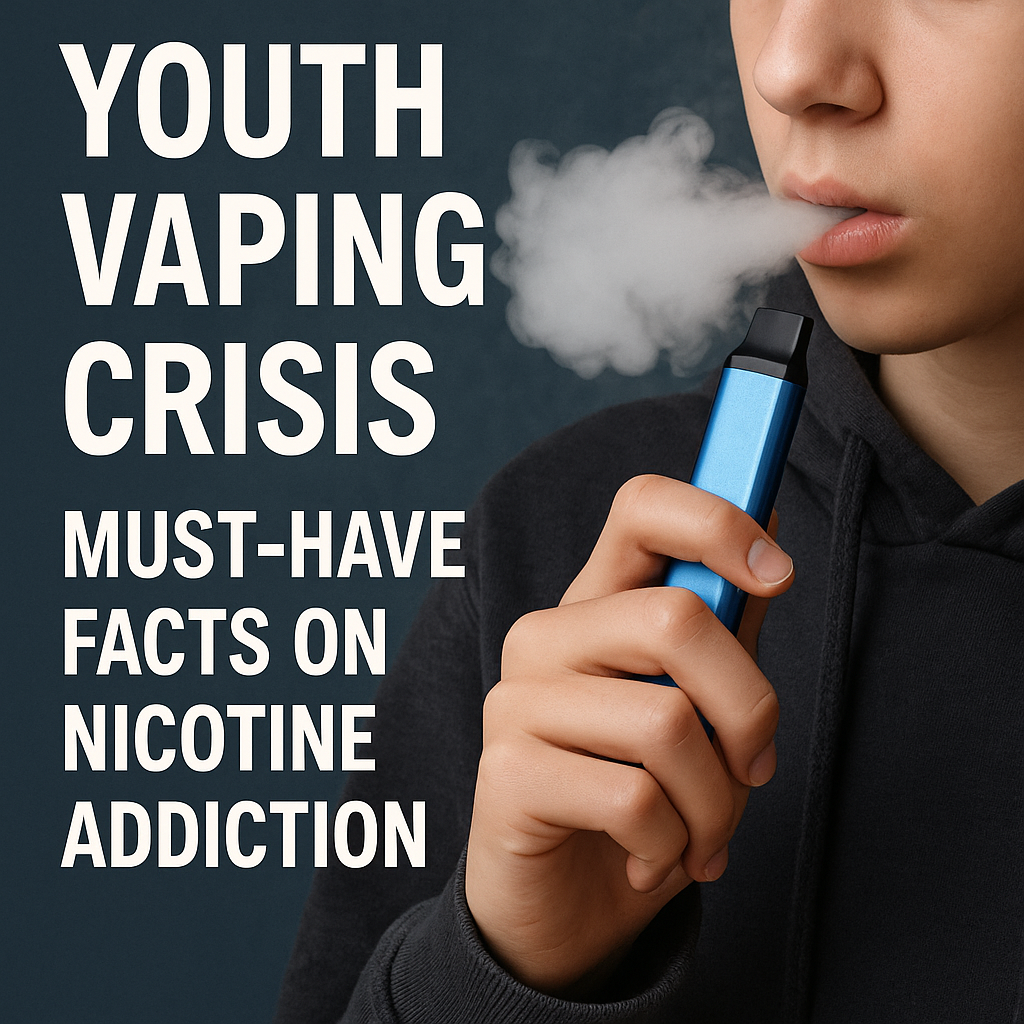
Nicotine, the primary addictive substance found in tobacco products, is also present in most vaping liquids. Unlike traditional cigarettes, e-cigarettes deliver nicotine in vapor form, which many young users perceive as less harmful. This misconception contributes to the widespread use of vaping devices among teenagers and young adults.
Nicotine addiction develops quickly in youth because their brains are still developing. Exposure to nicotine during adolescence can interfere with brain circuits that control attention, learning, and impulse control. This not only leads to dependence but also increases the risk of developing mood disorders and cognitive impairments later in life.
Why Is Vaping So Popular Among Youth?
Several factors contribute to the popularity of vaping among young people. First, the availability of flavored e-liquids, such as fruit, candy, and dessert flavors, makes vaping more appealing and masks the harshness of nicotine. Second, the discreet design of many vape pens and pods allows for easy concealment, making it easier for teens to use them unnoticed in schools and other settings.
Social media and peer influence also play a significant role. Many young people are exposed to vaping through online platforms where influencers and advertisements glamorize the activity. This normalizes vaping and reduces perceived risks, encouraging more youth to try it.
Health Risks Associated with Youth Vaping
While vaping is often marketed as a safer alternative to smoking, it is not without risks—especially for young users. Nicotine exposure can lead to increased heart rate and blood pressure, respiratory issues, and long-term addiction. Moreover, some vaping products contain harmful chemicals and heavy metals that can damage lung tissue.
Recent outbreaks of vaping-related lung injuries have highlighted the potential dangers of unregulated or black-market vaping products. These health incidents underscore the need for stricter regulations and better education about the risks of vaping.
Preventing Nicotine Addiction in Youth
Addressing the youth vaping crisis requires a multi-faceted approach. Education is key: young people need accurate information about the dangers of nicotine and vaping. Parents and teachers should engage in open conversations about the risks and encourage healthy alternatives to cope with stress or peer pressure.
Policy measures such as raising the legal age for purchasing vaping products, banning flavored e-liquids, and enforcing strict marketing restrictions can also reduce youth access and appeal. Additionally, schools should implement prevention programs and provide resources for students struggling with nicotine addiction.
Conclusion
The youth vaping crisis is fueled by widespread nicotine addiction, driven by appealing flavors, marketing strategies, and misinformation. Understanding the facts about nicotine’s impact on developing brains and the health risks associated with vaping is essential for combating this growing epidemic. Through education, policy changes, and community support, we can protect young people from the dangers of nicotine addiction and promote healthier futures.