
Vaping Risks: Shocking Unknown Long-Term Effects Revealed
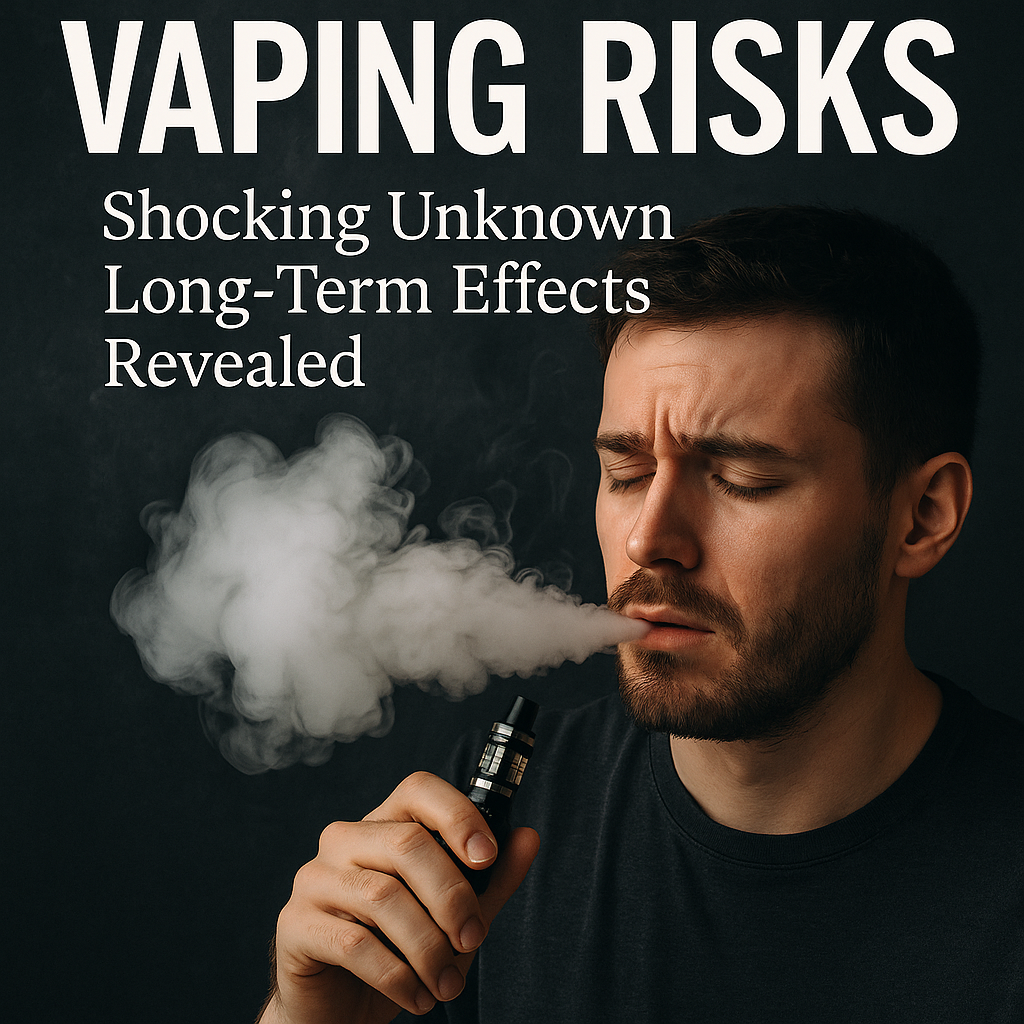
While vaping is often seen as a safer alternative to smoking, the truth about vaping risks reveals alarming long-term effects on lung, heart, and brain health that many users don’t realize. Understanding these hidden dangers is crucial for anyone considering or currently using e-cigarettes.
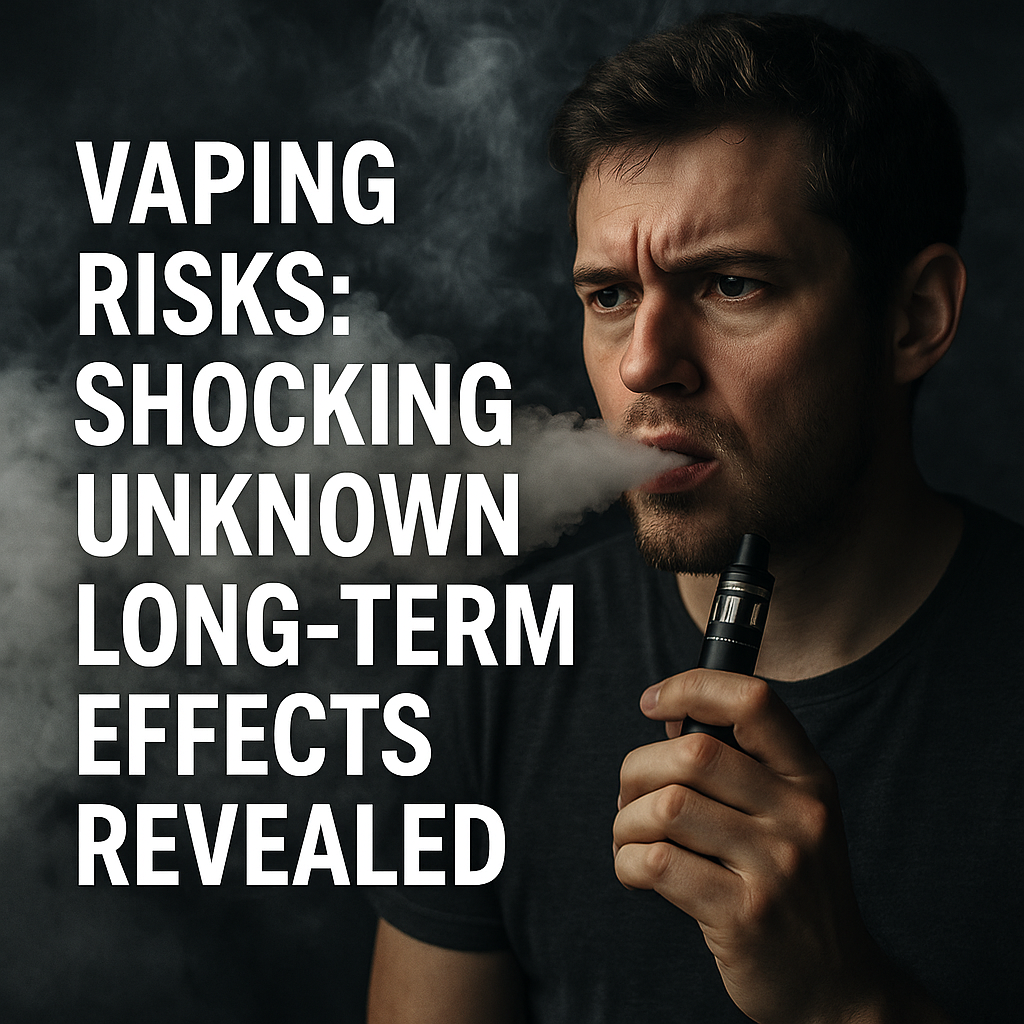
Vaping Risks: Shocking Unknown Long-Term Effects Revealed
Vaping has surged in popularity over the past decade, often marketed as a safer alternative to traditional smoking. However, emerging research suggests that vaping risks extend far beyond what many users realize, with potentially severe long-term effects that remain largely unknown to the public. While the immediate consequences of vaping—such as lung irritation or nicotine addiction—are somewhat understood, the hidden dangers lurking beneath the surface demand closer attention.
Understanding the Hidden Vaping Risks
Many people assume that because vaping eliminates tar and many harmful chemicals found in cigarettes, it is harmless. Yet, the aerosol produced by e-cigarettes contains a cocktail of substances including nicotine, flavoring agents, volatile organic compounds, and heavy metals like lead and cadmium. These compounds can cause oxidative stress and inflammation in lung tissues, setting the stage for chronic respiratory problems.
One of the most concerning vaping risks is the potential for long-term lung damage. Studies have linked vaping to conditions such as bronchiolitis obliterans, also known as “popcorn lung,” a disease that scars the small airways and causes irreversible breathing problems. While this condition was initially associated with inhaling certain flavoring chemicals, its connection to vaping highlights how little is understood about the inhalation of these substances over time.
Cardiovascular and Neurological Implications
Beyond the lungs, vaping risks extend to cardiovascular health. Nicotine, a highly addictive substance present in most e-liquids, is known to increase heart rate and blood pressure, potentially leading to heart disease. Emerging evidence suggests that the chemicals in e-cigarette vapor may damage blood vessels and impair their ability to function properly, increasing the risk of heart attacks and strokes in the long run.
Neurologically, nicotine exposure during adolescence—when many start vaping—can disrupt brain development. This can lead to problems with attention, learning, and impulse control. Additionally, the addictive nature of nicotine can pave the way for future substance abuse, compounding health risks.
The Unknowns: What Science Has Yet to Reveal
Despite growing awareness, many vaping risks remain unknown due to the relatively recent rise of this habit. Long-term studies are limited, and the full spectrum of health consequences may take decades to emerge. The rapid evolution of vaping devices and e-liquid formulations makes it challenging for researchers to keep pace with potential hazards.
Moreover, the interaction between vaping and other environmental or genetic factors is poorly understood. For instance, how vaping might exacerbate pre-existing respiratory conditions or influence cancer risk is still under investigation. The lack of regulation in the vaping industry also means inconsistent product quality, which can increase exposure to harmful substances.
Protecting Yourself from Vaping Risks
Given these alarming revelations, it’s crucial to approach vaping with caution. For those who vape as a means to quit smoking, consulting healthcare professionals for safer cessation methods is advisable. Parents and educators should also be aware of the vaping risks to help prevent youth from starting this habit.
Public health campaigns need to emphasize that vaping is not risk-free, and ongoing research should be supported to uncover the full extent of its long-term effects. Until more definitive answers are available, minimizing exposure remains the safest course of action.
Conclusion
The vaping risks extend well beyond what is commonly perceived, with shocking unknown long-term effects that could have serious implications for respiratory, cardiovascular, and neurological health. As science continues to unravel these dangers, awareness and precaution are essential to safeguard individual and public health. Understanding the hidden costs of vaping can empower people to make informed decisions and avoid potentially irreversible harm.