
Vaping Bans: Shocking Government Restrictions Despite Benefits
Vaping bans are stirring up controversy as governments impose strict restrictions despite vaping’s proven benefits as a safer alternative to smoking. Many wonder why policies overlook vaping’s potential to help smokers quit while focusing mainly on concerns about youth safety.
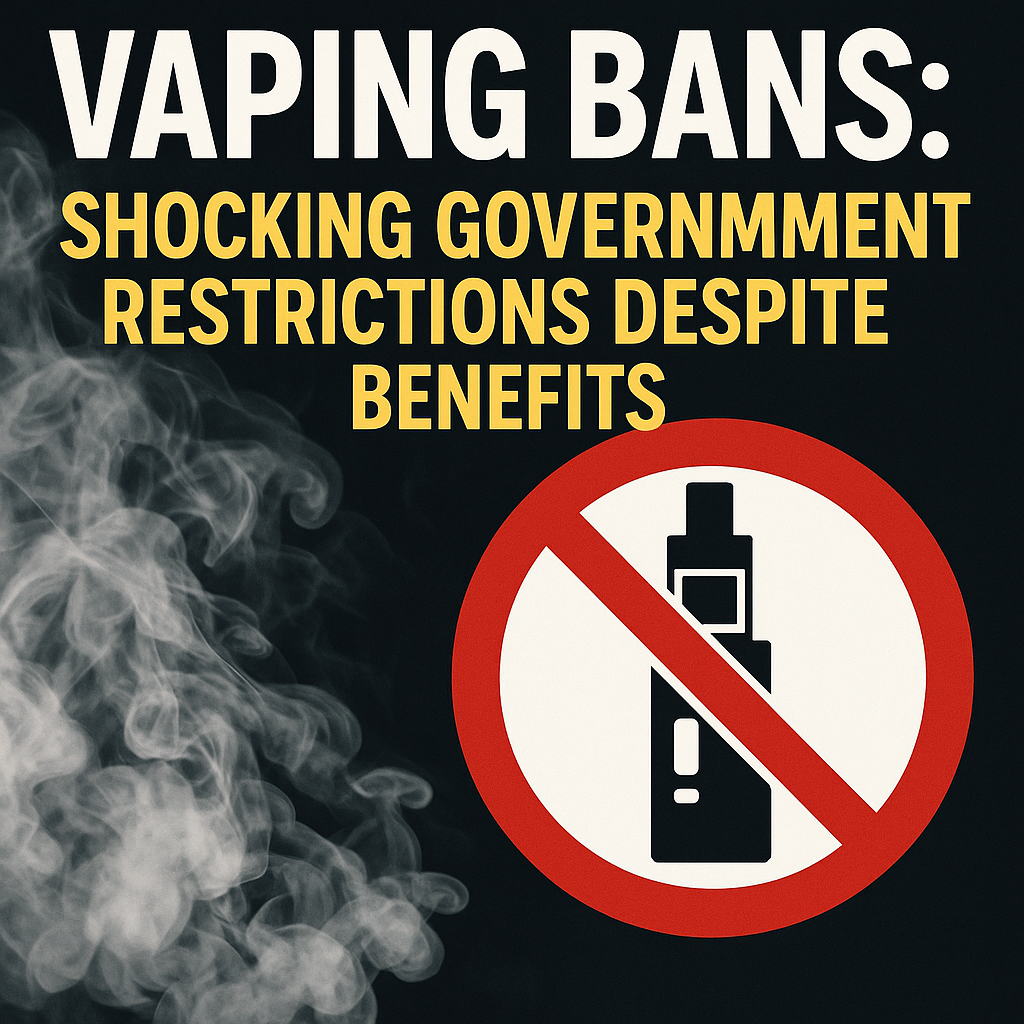
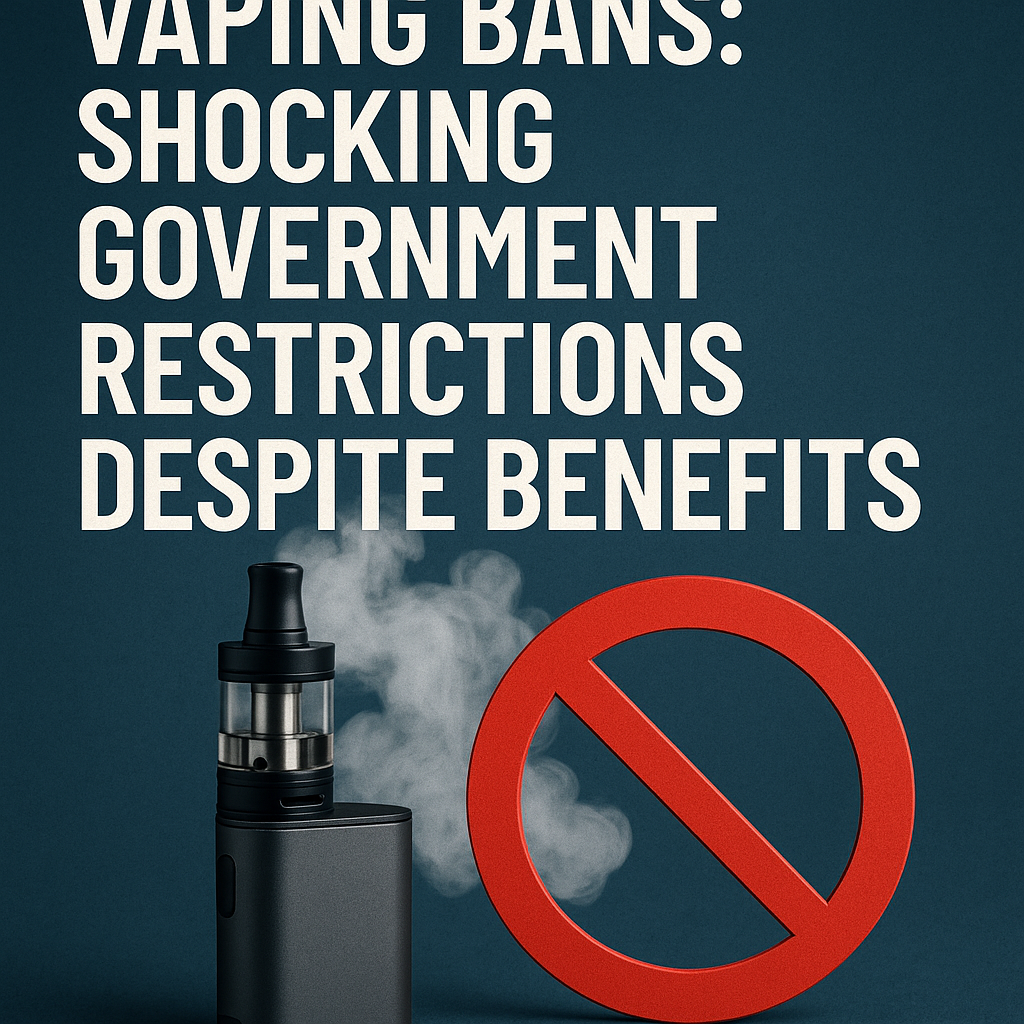
Vaping bans have become a controversial topic worldwide, sparking debates about public health, personal freedom, and government intervention. Despite the growing evidence supporting the benefits of vaping as a less harmful alternative to smoking traditional cigarettes, many governments have imposed strict restrictions or outright bans on vaping products. These measures have left many consumers and health advocates shocked, questioning the rationale behind such stringent policies.
Understanding the Rise of Vaping Bans
Governments across various countries have implemented vaping bans for several reasons. Primarily, concerns about the safety of vaping products, especially among youth, have driven policymakers to act decisively. Reports of lung injuries linked to certain vaping devices and the appeal of flavored e-liquids to minors have heightened fears about a new generation becoming addicted to nicotine.
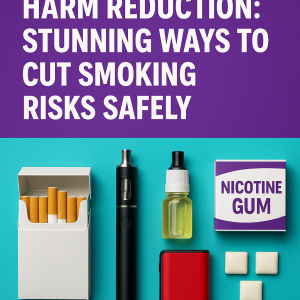
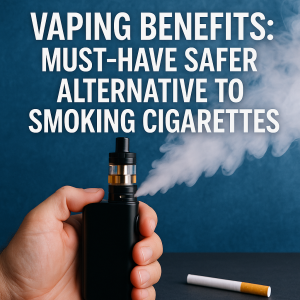
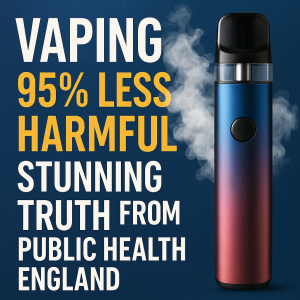
However, these bans often overlook the substantial benefits vaping offers to adult smokers trying to quit combustible tobacco. Vaping delivers nicotine without many of the harmful chemicals found in cigarette smoke, making it a potentially powerful tool for harm reduction. The World Health Organization and several public health bodies acknowledge that while vaping is not risk-free, it is significantly less harmful than smoking.
The Benefits of Vaping That Governments Overlook
Many smokers have successfully used vaping to reduce or quit smoking altogether. Unlike traditional cigarettes, vaping does not produce tar or carbon monoxide, two of the most dangerous components of tobacco smoke. This reduction in toxic exposure can lead to improved lung function and lower risks of heart disease and cancer over time.
Moreover, vaping allows users to control their nicotine intake, gradually reducing dependence without the harsh withdrawal symptoms often associated with quitting smoking cold turkey. This flexibility is a key reason why vaping is considered a valuable smoking cessation aid by many health professionals.
Shocking Government Restrictions Despite Benefits
Despite these advantages, some governments have imposed sweeping bans that restrict access to vaping products or heavily regulate their sale and marketing. These restrictions include banning flavored e-liquids, limiting nicotine concentrations, prohibiting online sales, and in extreme cases, outlawing vaping entirely.
Such measures can have unintended consequences. For example, banning flavored products may push users back to smoking cigarettes, which are more harmful. Restrictive policies can also drive the vaping market underground, increasing the risk of unregulated, unsafe products circulating among consumers.
Finding a Balanced Approach to Vaping Regulation
The challenge for governments is to balance the need to protect public health, particularly young people, while preserving adult smokers’ access to less harmful alternatives. Effective regulation should focus on preventing youth uptake through age restrictions, marketing controls, and education campaigns, rather than imposing broad bans that deny smokers a valuable quitting aid.
Countries like the UK have taken a more balanced approach, promoting vaping as part of their tobacco harm reduction strategies. This approach has contributed to significant declines in smoking rates and improved public health outcomes.
Conclusion
Vaping bans, despite the clear benefits vaping offers, represent a complex and often controversial public health issue. While protecting youth from nicotine addiction is crucial, governments must consider the full spectrum of vaping’s impact. Overly restrictive bans risk undermining harm reduction efforts and may inadvertently encourage continued smoking. A nuanced, evidence-based approach to vaping regulation is essential to maximize public health benefits and minimize risks.