
Vaping Risks: Shocking Unknown Long-Term Effects Revealed
Discover the surprising truth behind vaping risks long-term that many users overlook—beyond coughing and throat irritation, vaping may cause serious damage to your lungs, heart, and even brain health over time. Don’t miss what recent research is revealing about these hidden dangers.
Vaping risks have become a growing concern as more research uncovers the potential long-term effects that remain largely unknown to many users. While vaping is often marketed as a safer alternative to smoking traditional cigarettes, emerging evidence suggests that the health implications may be more serious and far-reaching than initially believed. Understanding these risks is crucial for anyone considering or currently using e-cigarettes.
The Hidden Dangers of Vaping Risks
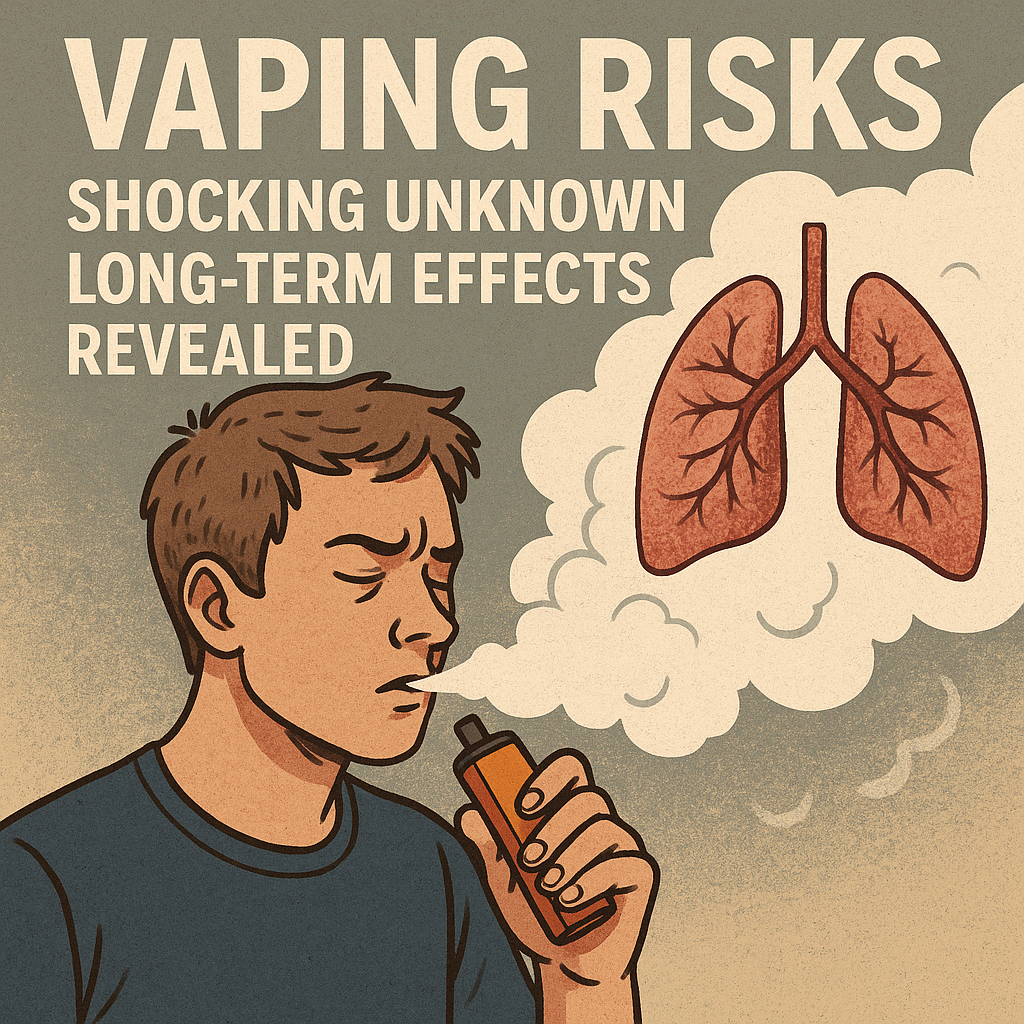
One of the most alarming vaping risks involves the impact on lung health. Vaping devices heat a liquid that typically contains nicotine, flavorings, and other chemicals, creating an aerosol that users inhale. Although this aerosol contains fewer toxic substances than cigarette smoke, it still exposes the lungs to harmful compounds. Studies have linked vaping to lung inflammation, impaired immune response, and in some cases, severe respiratory illnesses such as EVALI (e-cigarette or vaping product use-associated lung injury).
Beyond the lungs, vaping risks extend to cardiovascular health. Nicotine, a highly addictive substance present in most e-liquids, can increase heart rate and blood pressure, potentially leading to long-term damage to blood vessels and the heart. Research indicates that even short-term vaping can cause endothelial dysfunction, a precursor to atherosclerosis and other cardiovascular diseases.
Shocking Unknown Long-Term Effects Revealed
While short-term effects like coughing or throat irritation are well documented, the long-term consequences of vaping remain less clear but increasingly concerning. Recent studies have revealed that chronic exposure to e-cigarette vapor may alter DNA and increase oxidative stress, which can contribute to the development of cancer and other chronic diseases over time.
Another shocking revelation is the potential impact of vaping on brain development, especially in adolescents and young adults. Nicotine exposure during critical periods of brain growth can impair cognitive function, memory, and attention, raising concerns about the lifelong effects on mental health and learning abilities.
Moreover, the flavoring agents used in many e-liquids, often perceived as harmless, may contain chemicals that become toxic when heated and inhaled. Compounds like diacetyl, linked to a serious lung condition called “popcorn lung,” have been found in some vaping products, highlighting the hidden dangers lurking in flavored vapors.
Why Awareness of Vaping Risks Matters
With the increasing popularity of vaping, especially among teenagers and young adults, raising awareness about these risks is more important than ever. Many users underestimate the potential harm, believing vaping to be a risk-free activity. Public health campaigns and education efforts must emphasize the unknown and potentially severe long-term effects to help individuals make informed decisions.
Conclusion
Vaping risks extend far beyond the immediate effects and include a range of shocking unknown long-term consequences that are only now coming to light. From lung damage and cardiovascular issues to genetic alterations and brain development concerns, the evidence points to vaping as a significant health threat. Staying informed and cautious about e-cigarette use is essential to protect long-term health and well-being.