
THR in Vaping Advocacy: Must-Have Insights for Best Results
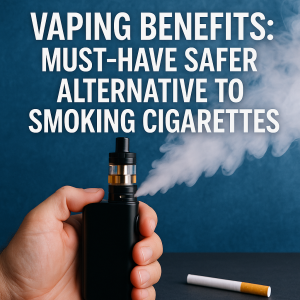
THR vaping advocacy is key to helping smokers make safer choices by promoting vaping as a less harmful alternative to traditional cigarettes. By focusing on clear, evidence-based information, advocates can break down misconceptions and support healthier public perceptions.
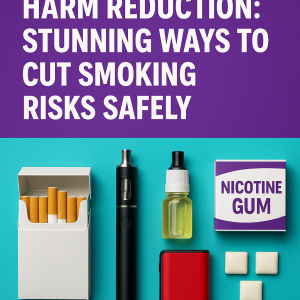
THR in vaping advocacy plays a crucial role in shaping public perception and policy around harm reduction strategies for smokers. Tobacco Harm Reduction (THR) focuses on minimizing the health risks associated with smoking by encouraging safer alternatives, such as vaping. Understanding the core principles of THR and how they intersect with vaping advocacy is essential for achieving the best outcomes in public health and regulatory frameworks.
Understanding THR in Vaping Advocacy
Tobacco Harm Reduction is a public health approach aimed at reducing the negative consequences of tobacco use without necessarily eliminating nicotine consumption. Vaping, which involves inhaling vaporized e-liquids rather than burning tobacco, is widely recognized as a less harmful alternative to traditional cigarettes. Advocates use THR principles to promote vaping as a viable option for smokers who struggle to quit nicotine altogether.
The central idea behind THR in vaping advocacy is to provide smokers with accurate information about relative risks. Many smokers are unaware that vaping products typically contain fewer toxic chemicals than combustible cigarettes. By highlighting this distinction, advocates aim to encourage smokers to switch to vaping, thereby reducing their exposure to harmful substances.
Key Insights for Effective THR Advocacy in Vaping
1. Emphasize Evidence-Based Information
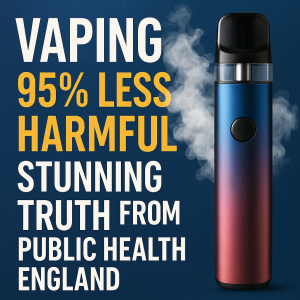
One of the must-have insights for successful vaping advocacy is the use of credible, scientific data to support claims about harm reduction. Numerous studies have shown that vaping is significantly less harmful than smoking, though not entirely risk-free. Advocates should focus on transparent communication, acknowledging the risks of vaping while stressing its potential to save lives by helping smokers transition away from combustible tobacco.
2. Address Misconceptions and Stigma
Misconceptions about vaping often hinder its acceptance as a harm reduction tool. Many people mistakenly believe vaping is just as dangerous as smoking or that it serves as a gateway to tobacco use among youth. Effective advocacy involves dispelling these myths through education and public engagement. Highlighting regulatory measures that prevent youth access and emphasizing the role of vaping solely as a smoking cessation aid can improve public trust.
3. Collaborate with Healthcare Professionals
Healthcare providers are trusted sources of health information and can influence smokers’ decisions. Integrating THR principles into clinical practice by educating doctors and nurses about vaping’s role in harm reduction can enhance advocacy efforts. When healthcare professionals understand the benefits and limitations of vaping, they are better equipped to advise patients on quitting smoking using safer alternatives.
4. Advocate for Balanced Regulations
Regulatory environments significantly impact the availability and perception of vaping products. Advocates must push for policies that protect consumers, such as quality control and age restrictions, without imposing overly restrictive measures that could drive users back to smoking. Balanced regulations ensure that vaping remains accessible as a harm reduction option while safeguarding public health.
The Future of THR in Vaping Advocacy
As research continues to evolve, THR in vaping advocacy must adapt to new findings and public attitudes. The ultimate goal is to reduce smoking-related diseases and deaths by encouraging smokers to choose less harmful alternatives. By focusing on evidence, education, collaboration, and sensible regulation, advocates can maximize the positive impact of vaping as part of comprehensive tobacco harm reduction strategies.
In conclusion, understanding and applying THR principles in vaping advocacy is essential for achieving meaningful progress in public health. With the right approach, vaping can serve as a powerful tool to reduce the burden of smoking-related harm worldwide.