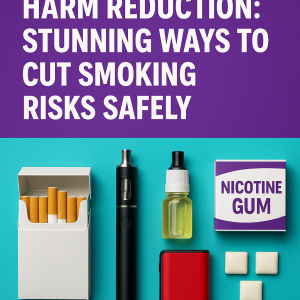

Harm Reduction: Stunning Ways to Cut Smoking Risks Safely
Harm reduction smoking offers practical ways to cut health risks by adopting safer alternatives like nicotine replacement therapy and vaping. Even small changes, like reducing daily cigarette use, can lead to meaningful improvements in your well-being.
Harm reduction is an essential strategy for individuals seeking to minimize the health risks associated with smoking without necessarily quitting immediately. While quitting smoking altogether remains the best option for health, harm reduction provides practical, safer alternatives that can significantly reduce the dangers linked to tobacco use. This approach is particularly valuable for smokers who find quitting challenging or who want to improve their health gradually.
Understanding Harm Reduction: Stunning Ways to Cut Smoking Risks Safely
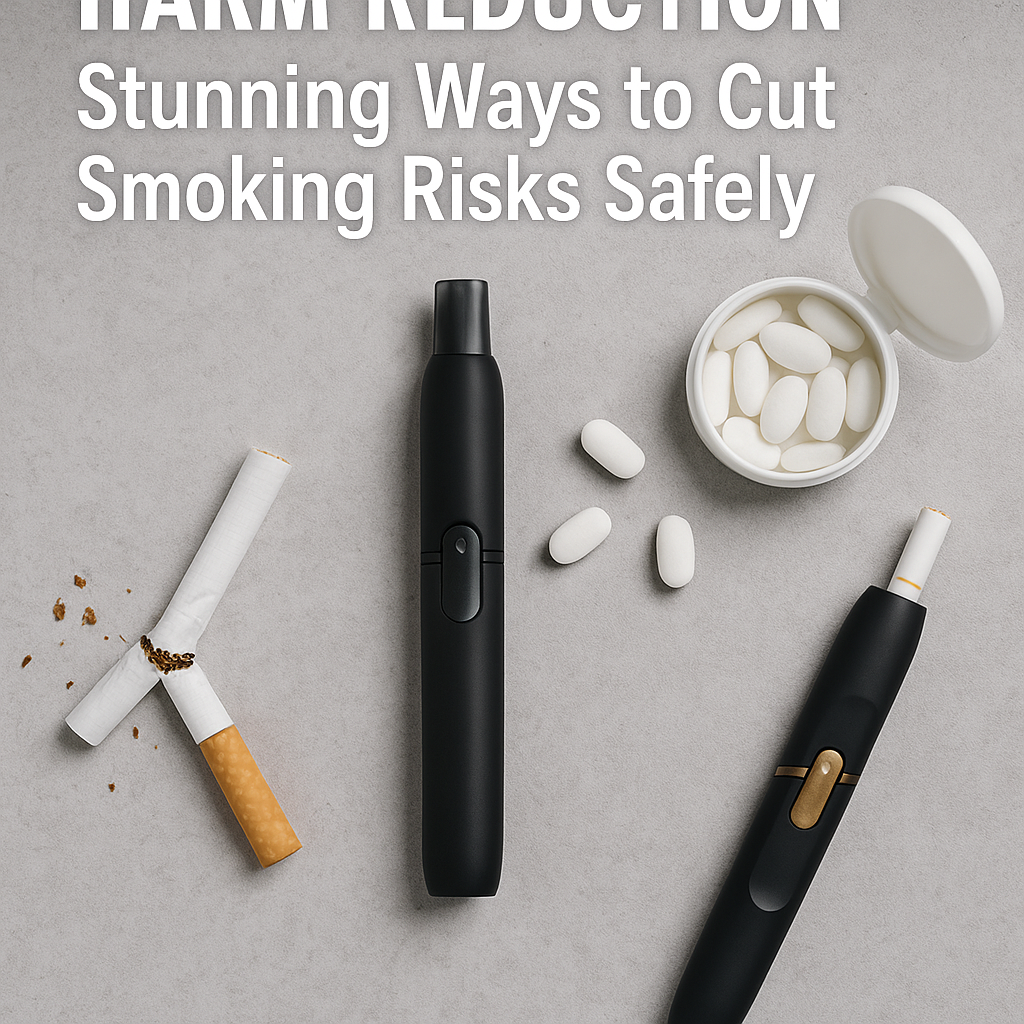
Harm reduction focuses on reducing the negative consequences of smoking by adopting safer practices and alternatives. It recognizes that while quitting is ideal, reducing exposure to harmful substances can still lead to meaningful health benefits. Here are some effective and stunning ways to cut smoking risks safely:
1. Switch to Nicotine Replacement Therapy (NRT)
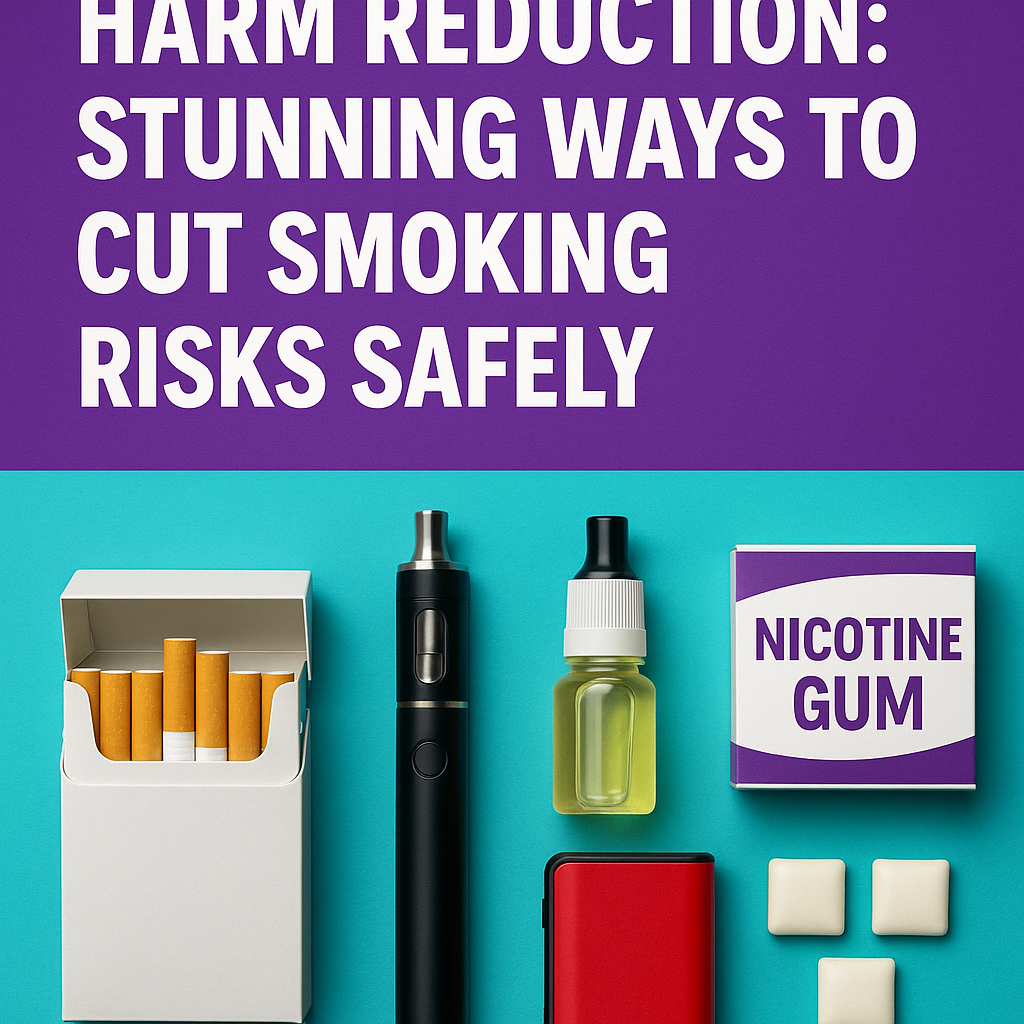
Nicotine Replacement Therapy, such as patches, gum, lozenges, or inhalers, provides controlled doses of nicotine without the harmful tar and chemicals found in cigarettes. Using NRT can help reduce cravings and withdrawal symptoms while eliminating exposure to many toxic substances. This approach allows smokers to gradually decrease their nicotine intake in a safer manner.
2. Explore Vaping as a Harm Reduction Tool
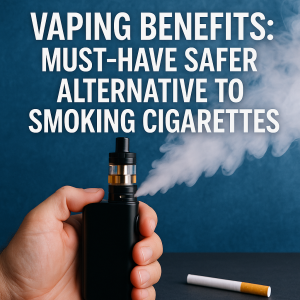
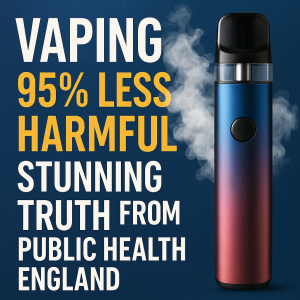
Vaping has emerged as a popular harm reduction method for smokers. E-cigarettes deliver nicotine through vapor rather than smoke, significantly reducing exposure to the carcinogens and toxins produced by burning tobacco. While not completely risk-free, vaping is widely considered less harmful than traditional smoking. Choosing reputable products and avoiding unregulated devices is crucial for safety.
3. Reduce the Number of Cigarettes Smoked Daily
Cutting down on the number of cigarettes smoked each day is a straightforward harm reduction tactic. Even reducing consumption by half can lower the intake of harmful chemicals and decrease the risk of developing smoking-related diseases. Setting realistic goals and tracking progress can help smokers gradually reduce their smoking frequency.
4. Avoid Smoking in Enclosed Spaces
Smoking indoors or in enclosed spaces increases the risk of secondhand smoke exposure to others and intensifies the smoker’s own inhalation of toxins. By limiting smoking to outdoor areas with good ventilation, smokers can reduce the concentration of harmful substances inhaled and protect those around them.
5. Opt for Low-Tar and Filtered Cigarettes with Caution
Some smokers turn to low-tar or filtered cigarettes believing they are safer. While these products may reduce tar intake slightly, they do not eliminate the risks entirely. It is important to understand that these alternatives are not risk-free and should be viewed as temporary harm reduction measures rather than solutions.
6. Maintain a Healthy Lifestyle to Counteract Smoking Effects
Incorporating a healthy diet, regular exercise, and adequate hydration can help mitigate some of the damage caused by smoking. Antioxidant-rich foods, such as fruits and vegetables, support lung health and overall well-being. Combining harm reduction strategies with lifestyle improvements enhances the chances of better health outcomes.
Final Thoughts
Harm reduction offers smokers practical and stunning ways to cut smoking risks safely, providing a path toward improved health even if quitting is not immediately achievable. By embracing alternatives like nicotine replacement, vaping, and smoking reduction, individuals can significantly decrease their exposure to harmful substances. Coupled with healthier lifestyle choices, harm reduction empowers smokers to take control of their health and move closer to a smoke-free life.